
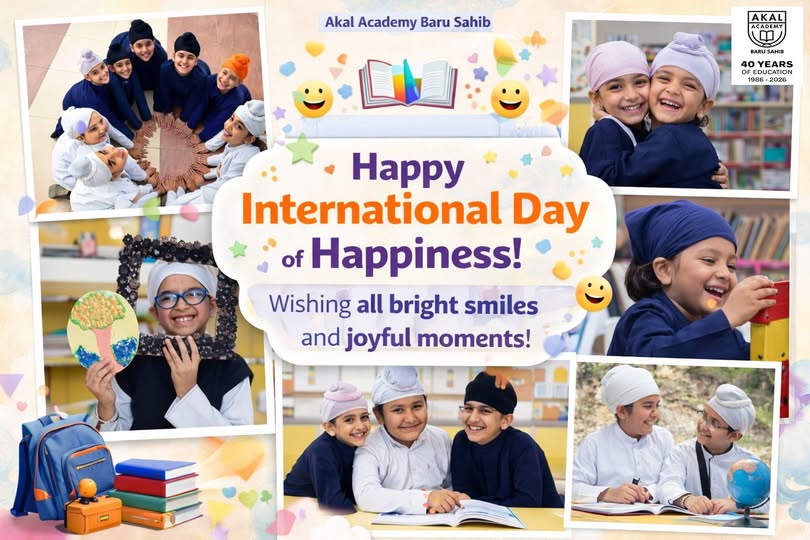
Celebrating the joy in little moments, shared laughter, friendships and the happiness of learning together, that truly matter. Here’s to nurturing happy hearts and creating a positive space where every child feels valued, confident and free to shine.
Wishing all a joyful World Happiness Day! 🌼
#WorldHappinessDay #InternationalDayOfHappiness #akalacademybarusahib #AkalAcademy #joy #happiness
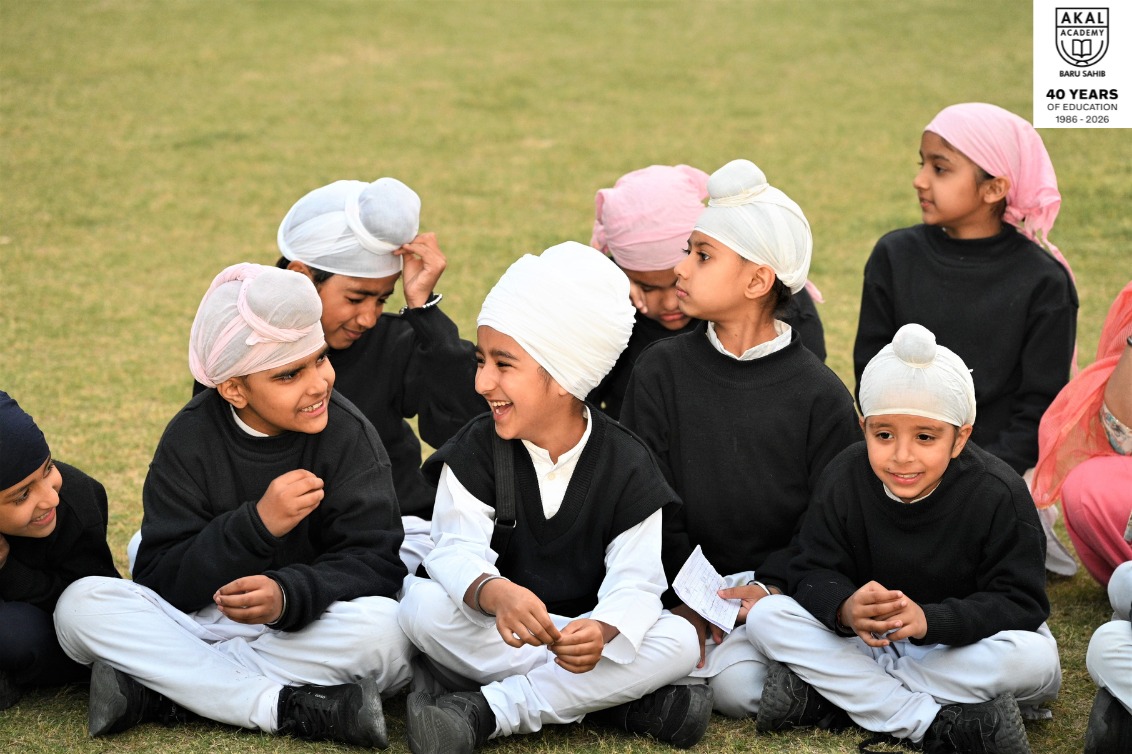
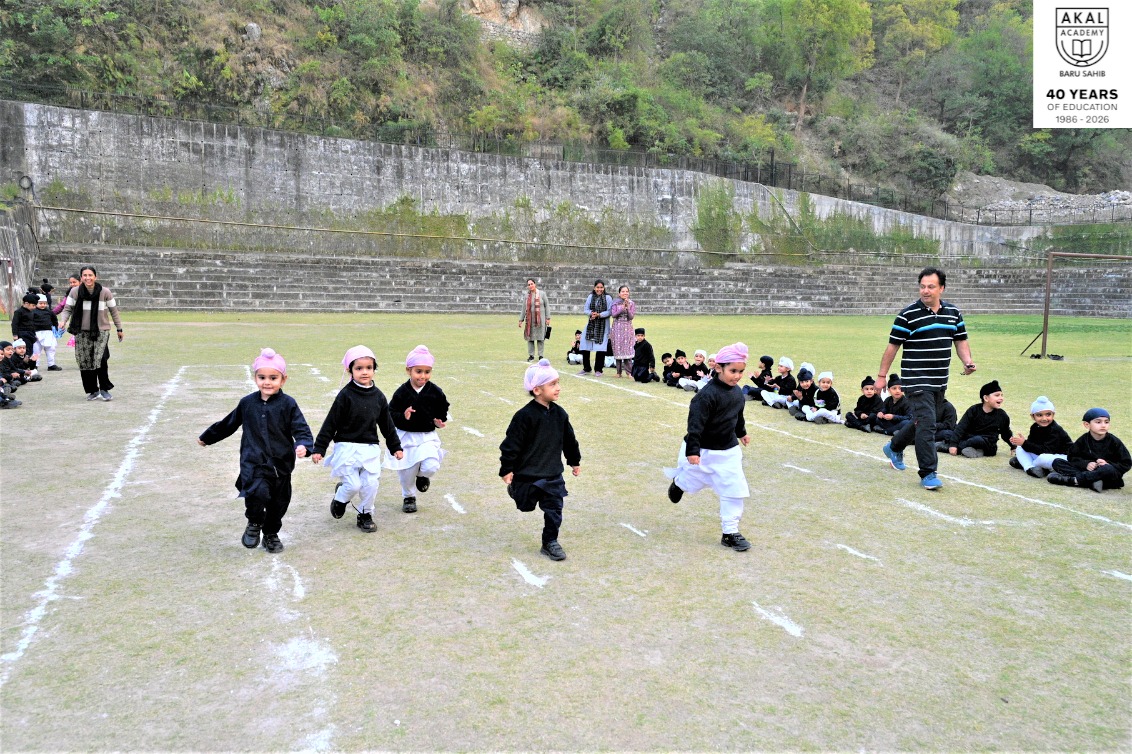
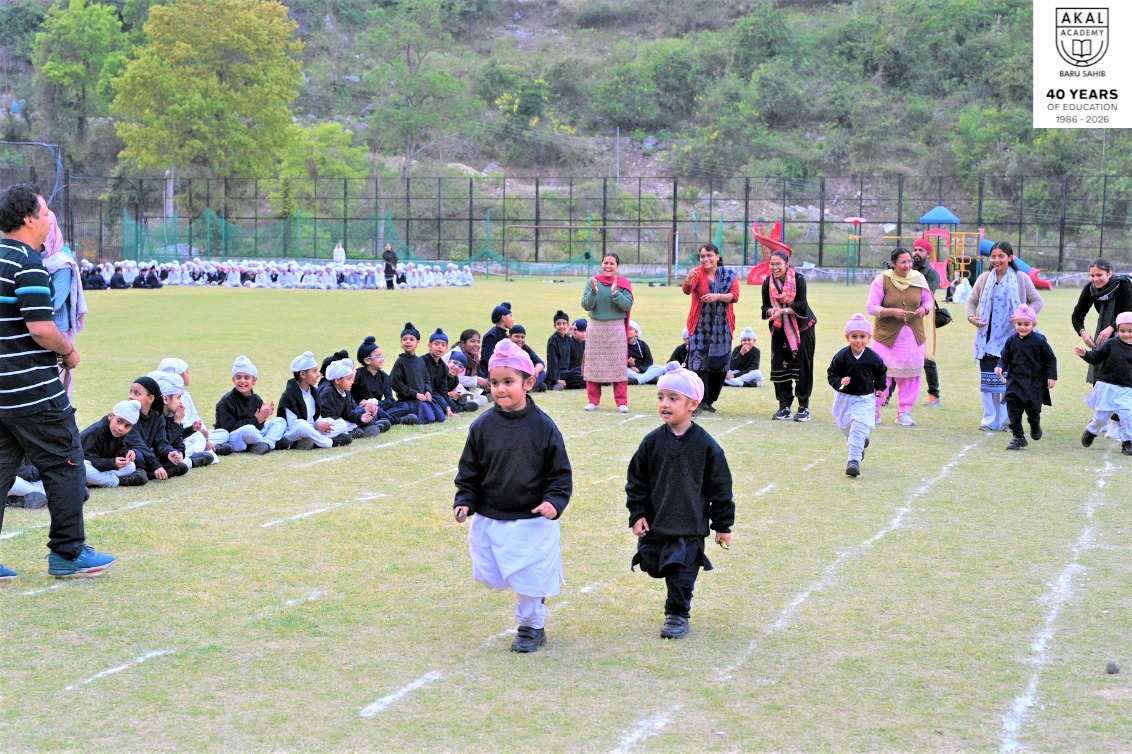
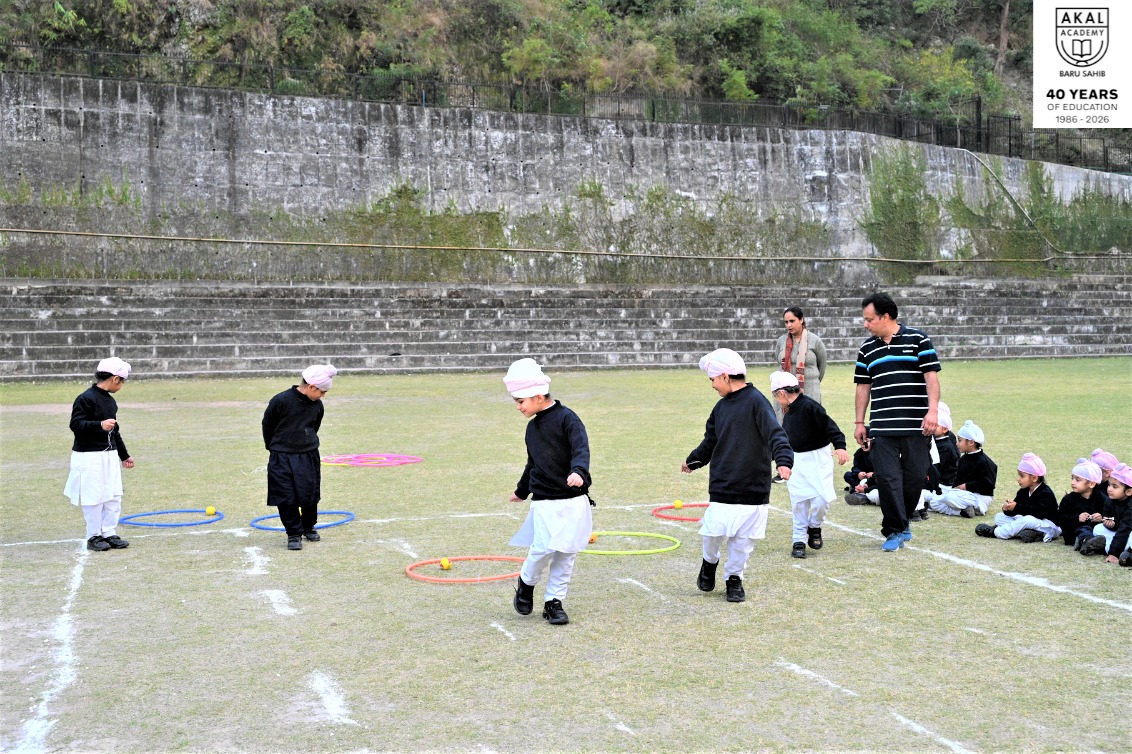
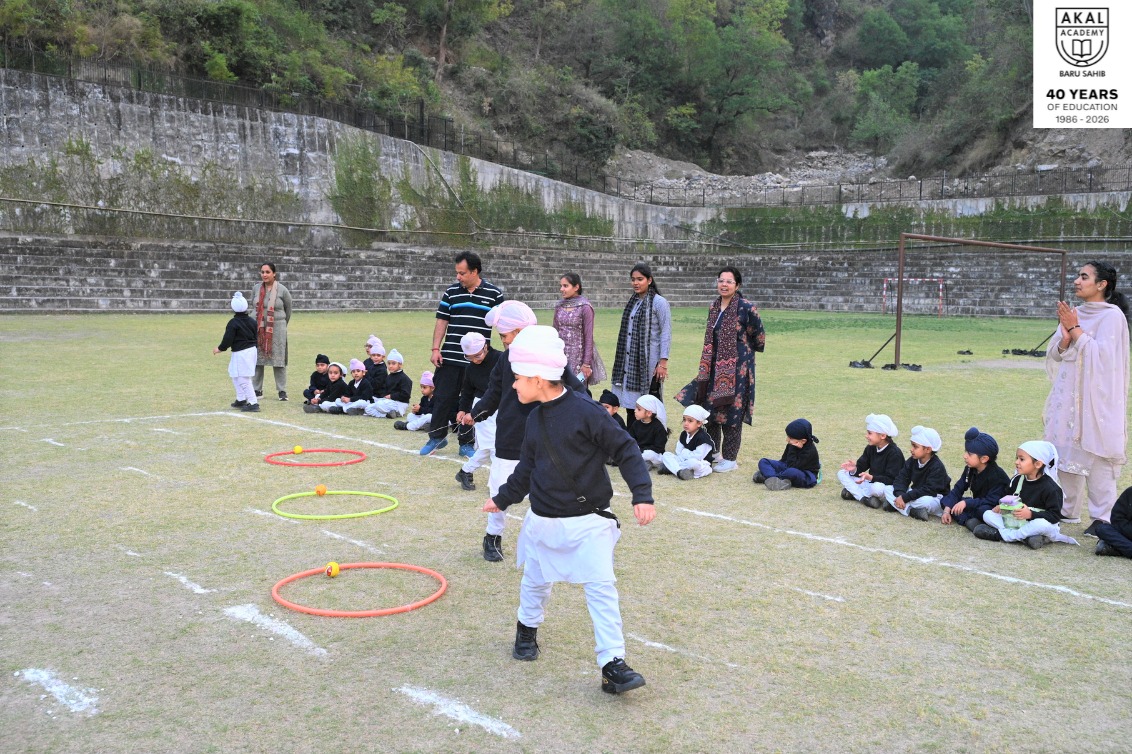
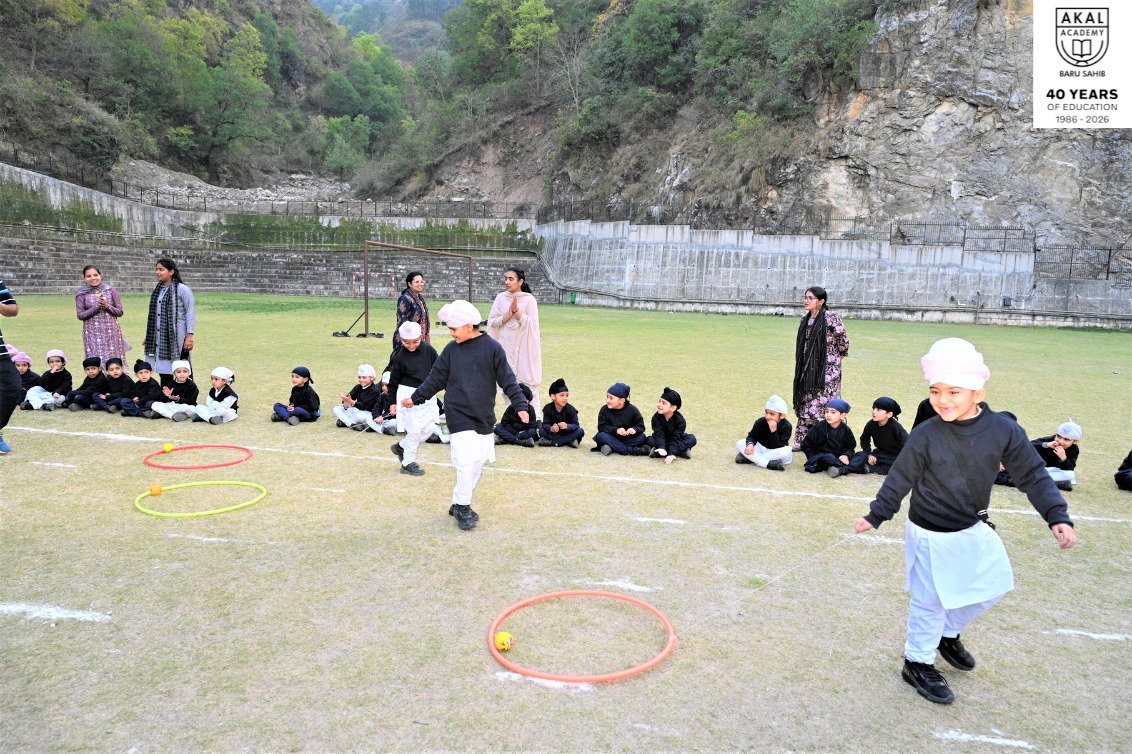
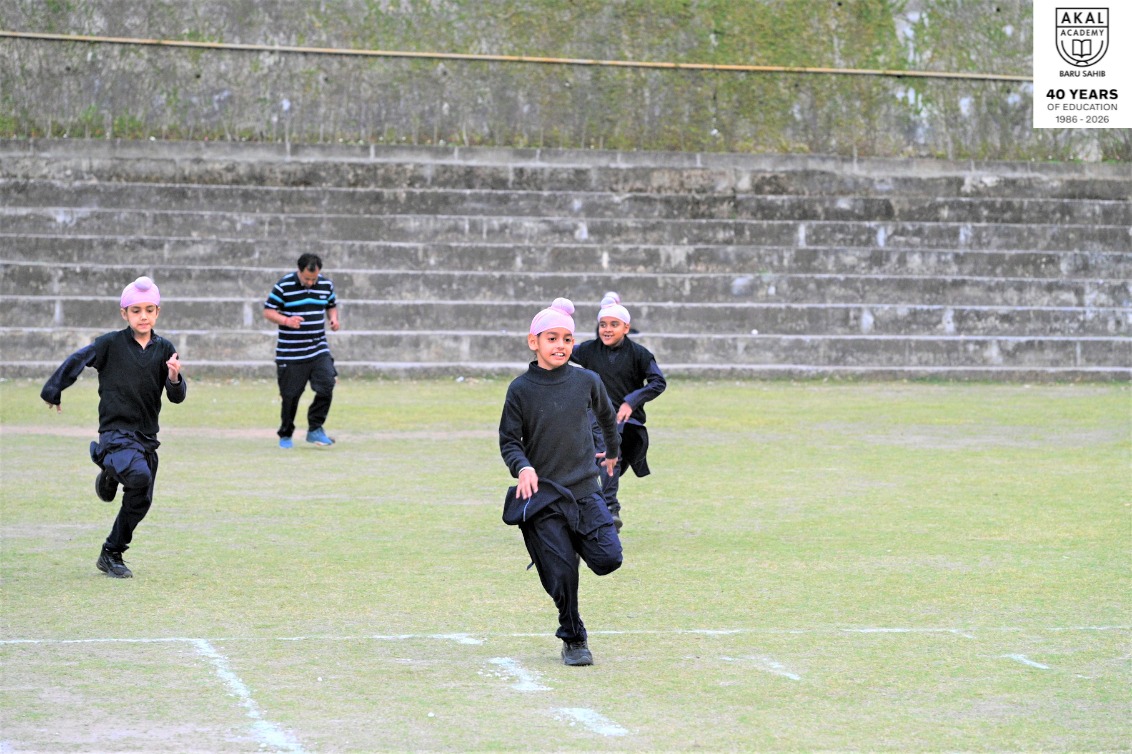
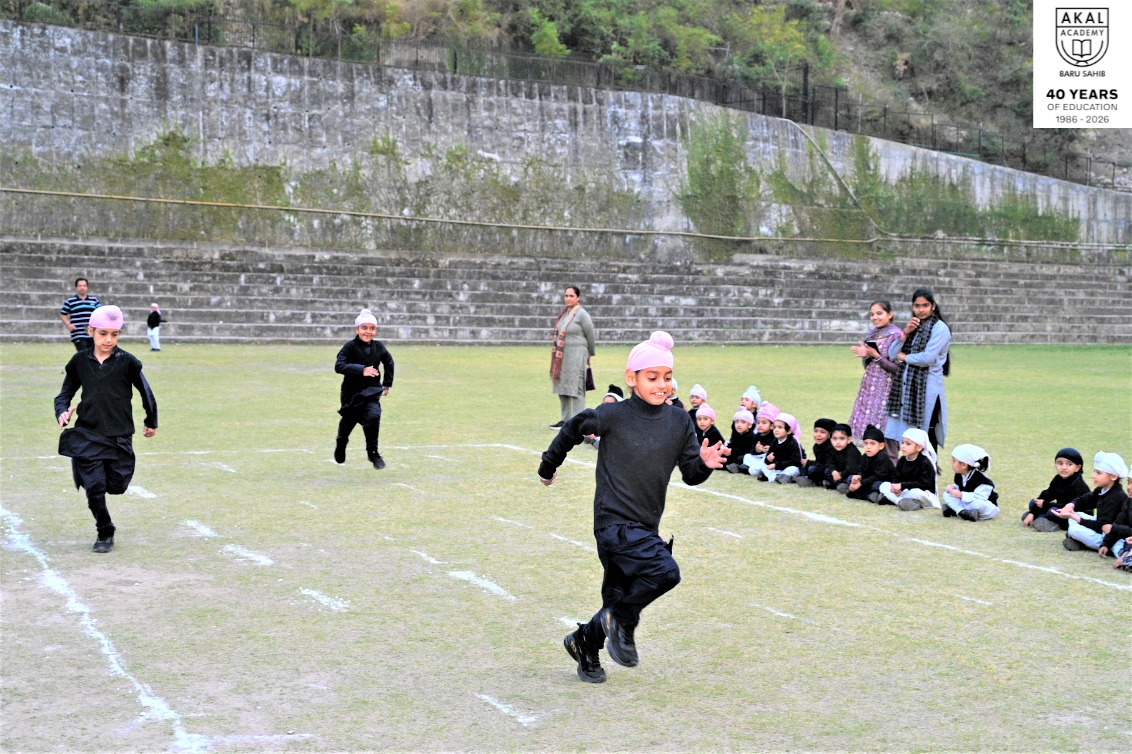
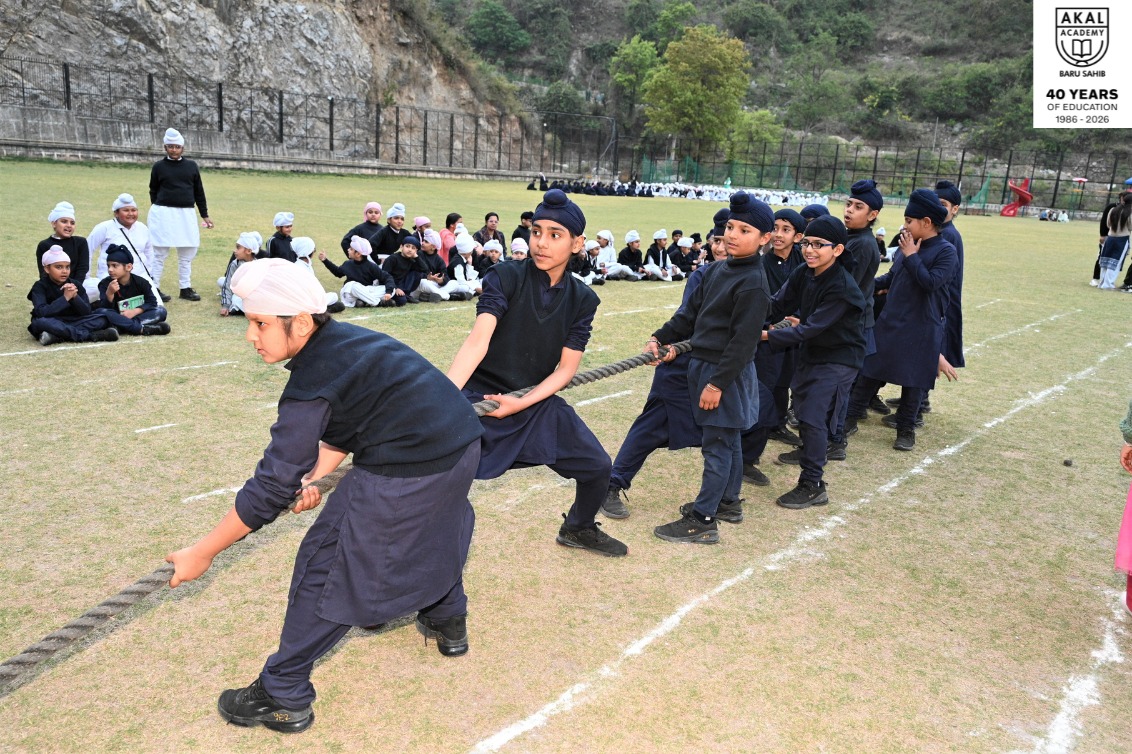
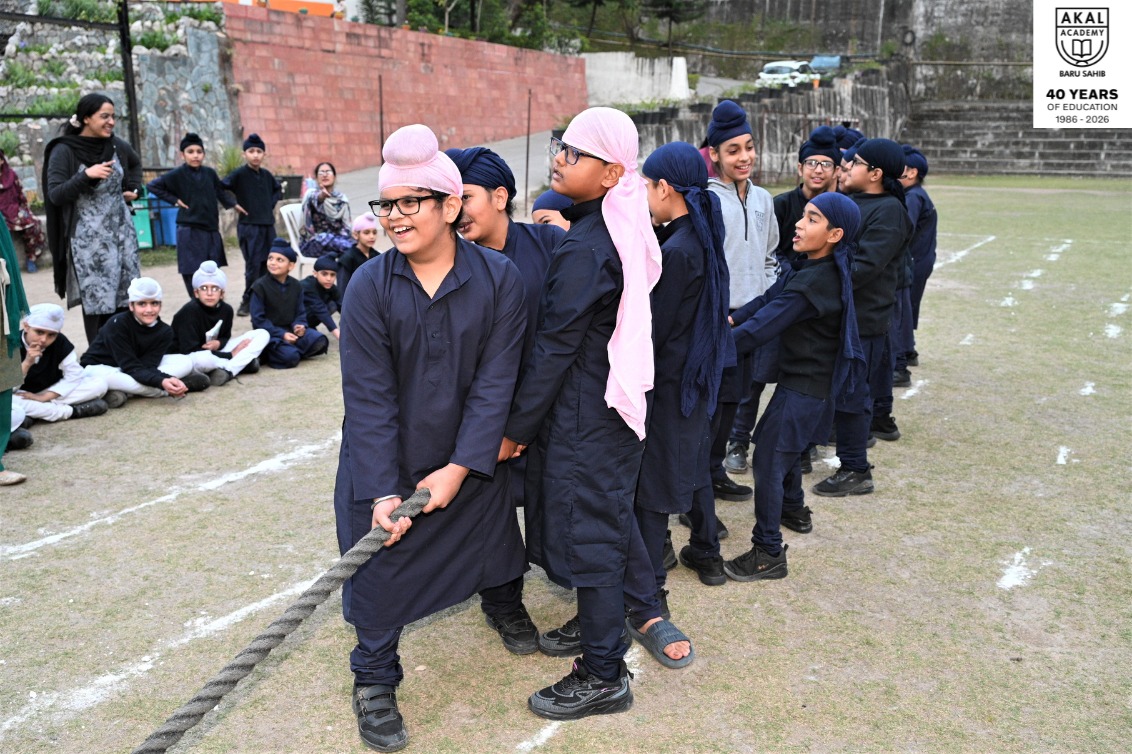
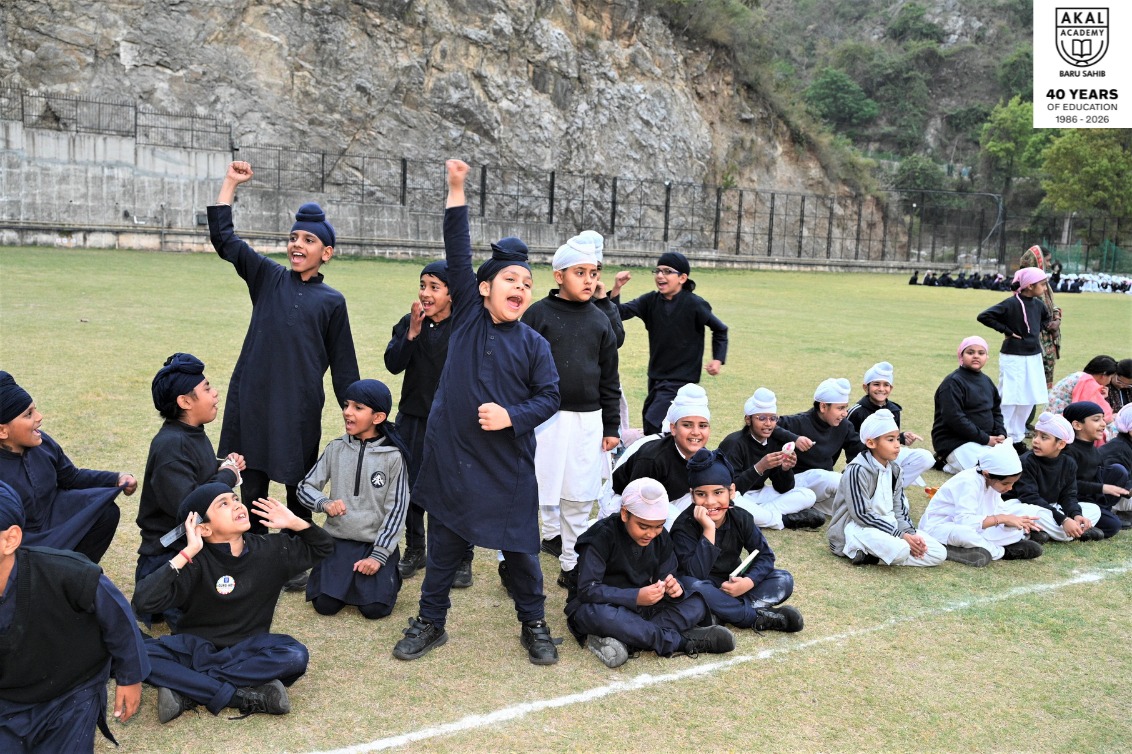
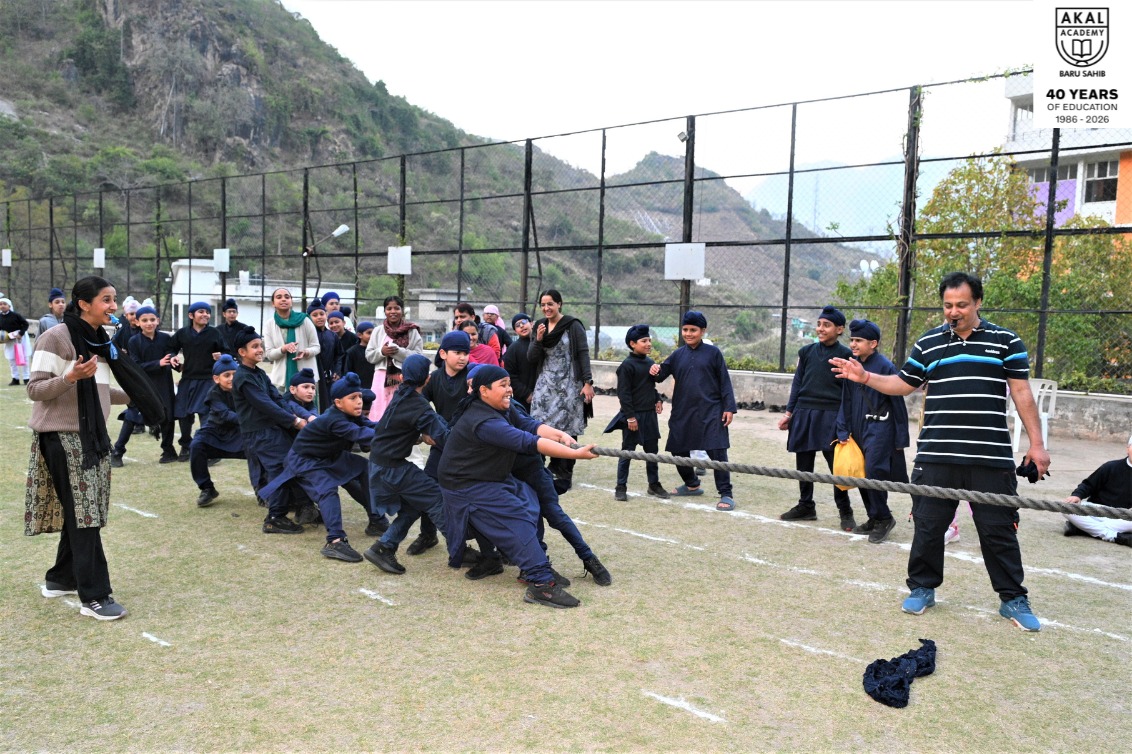
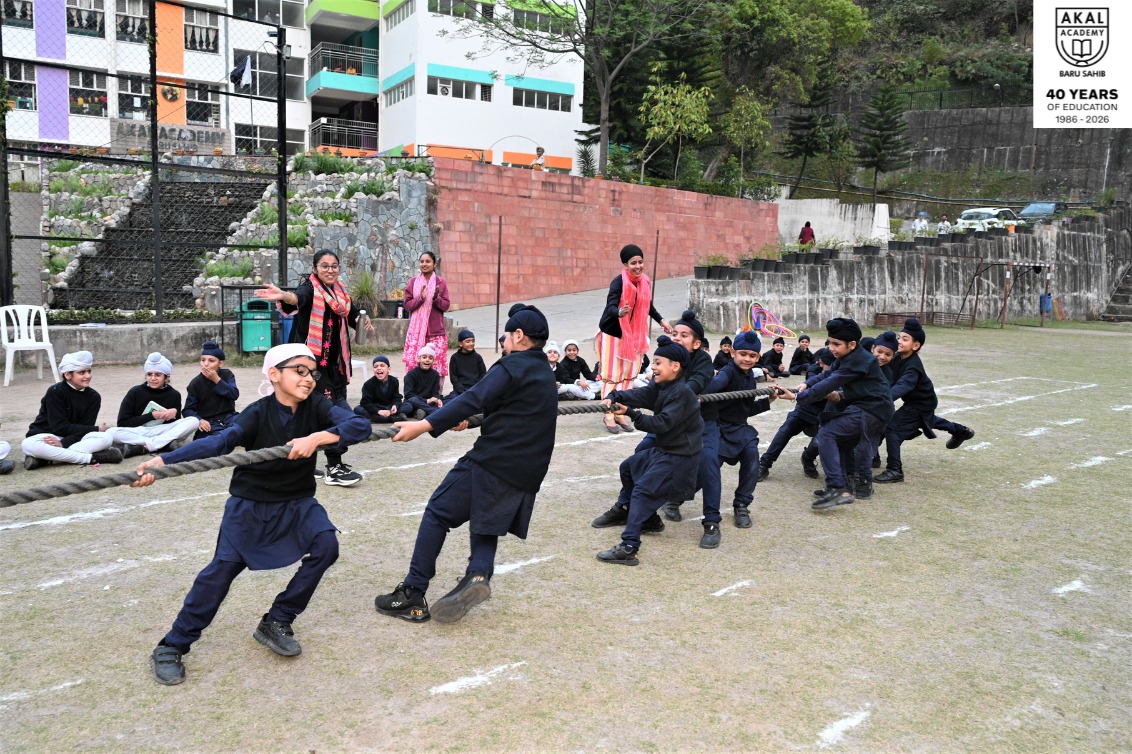
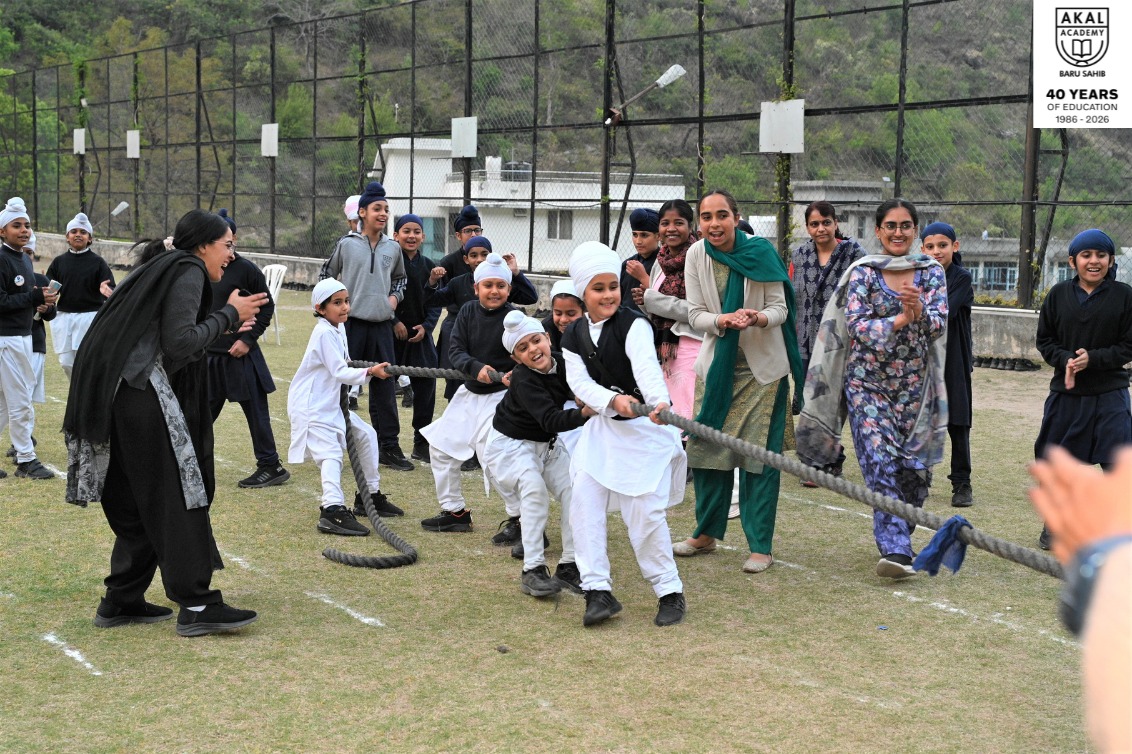
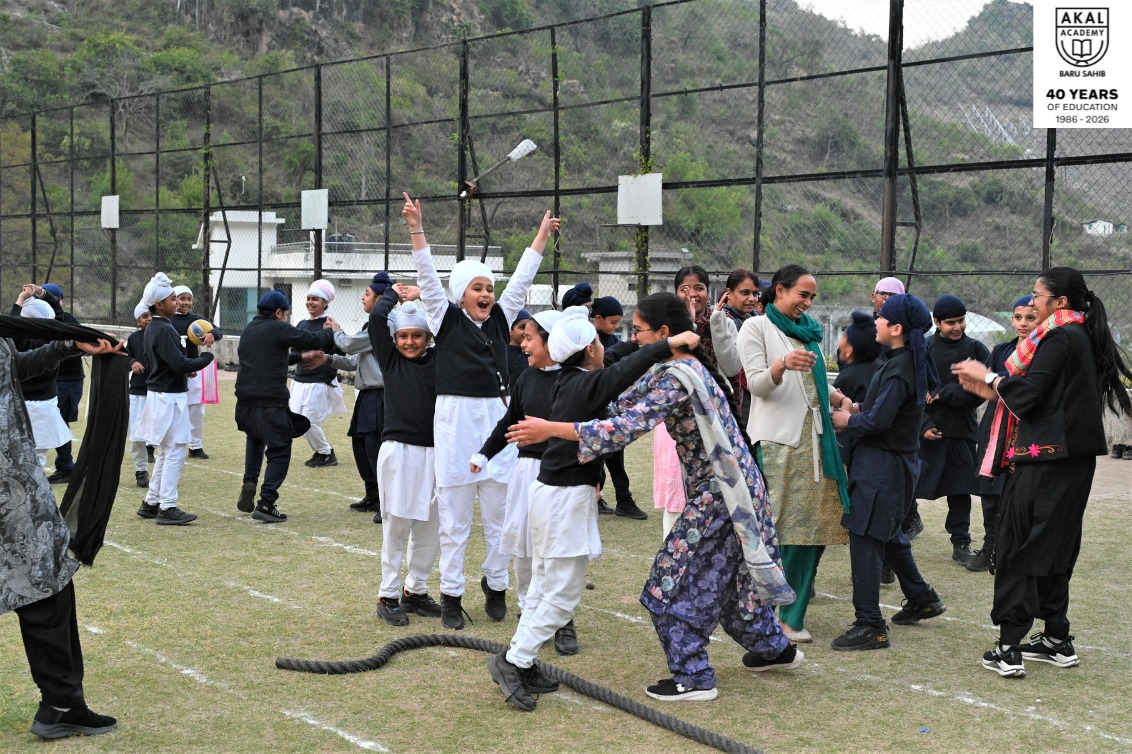
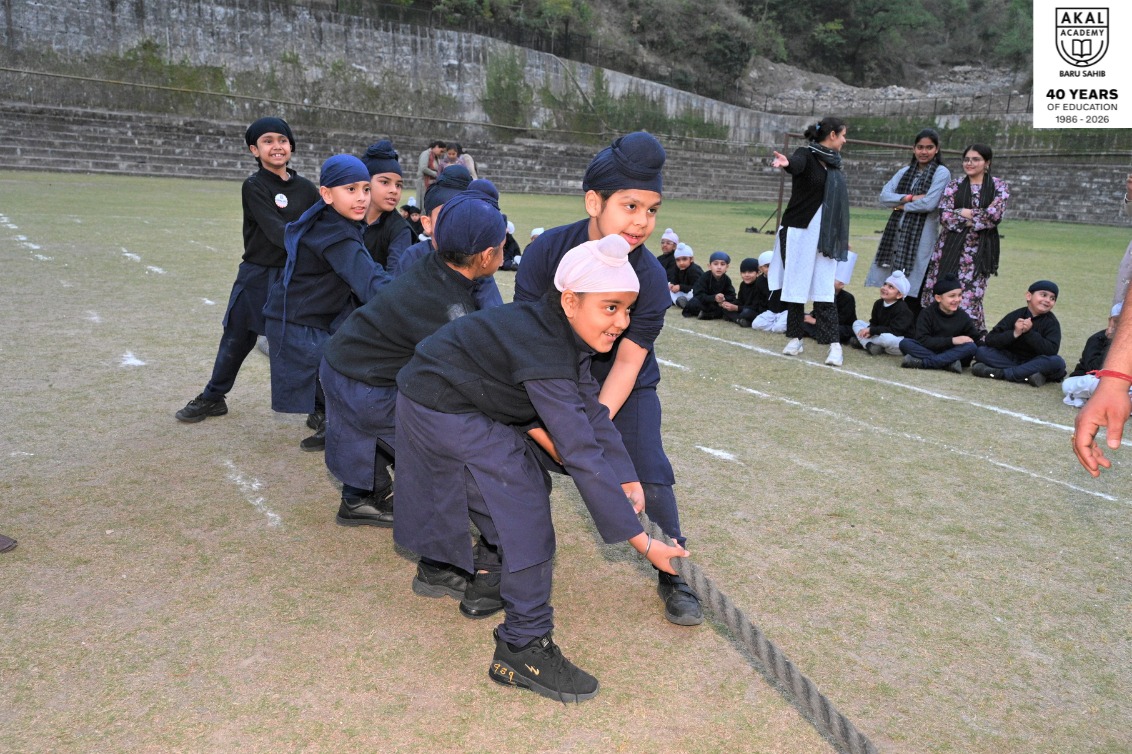
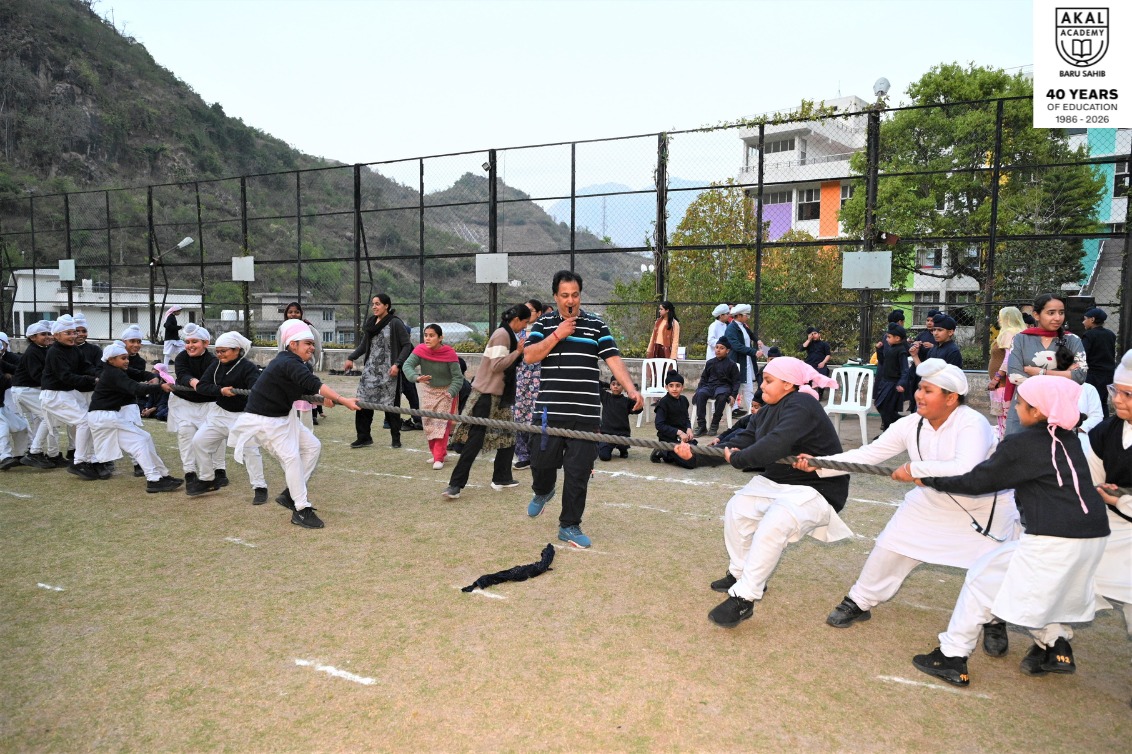
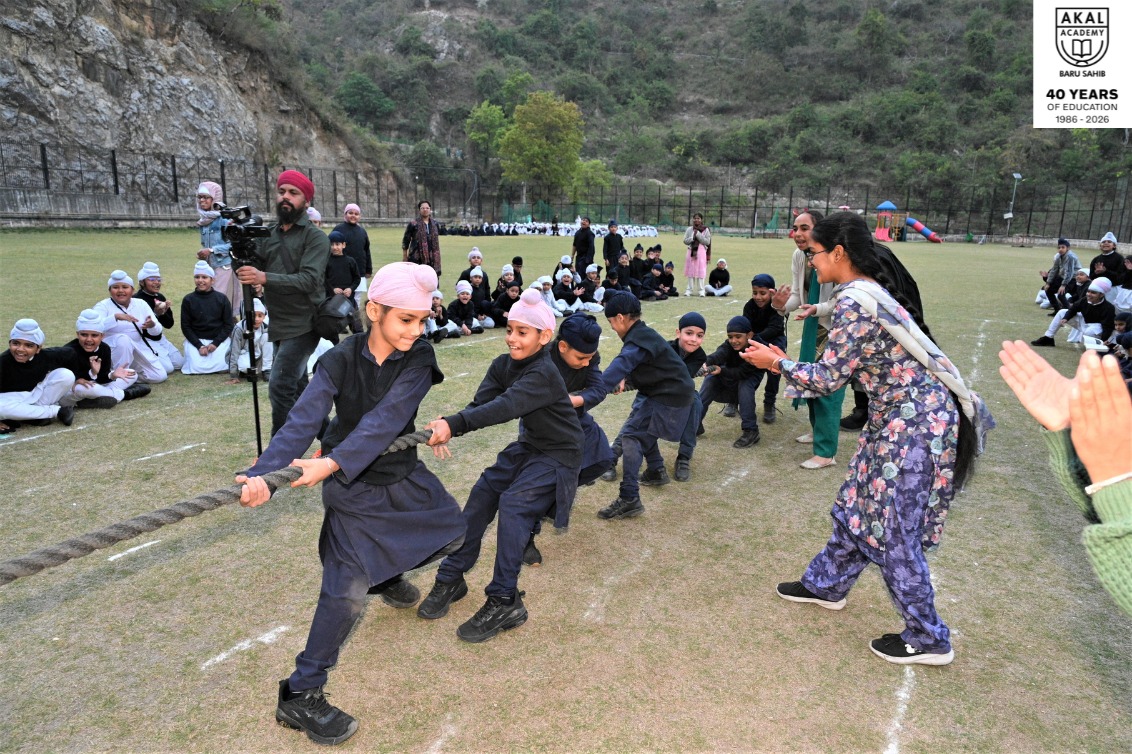
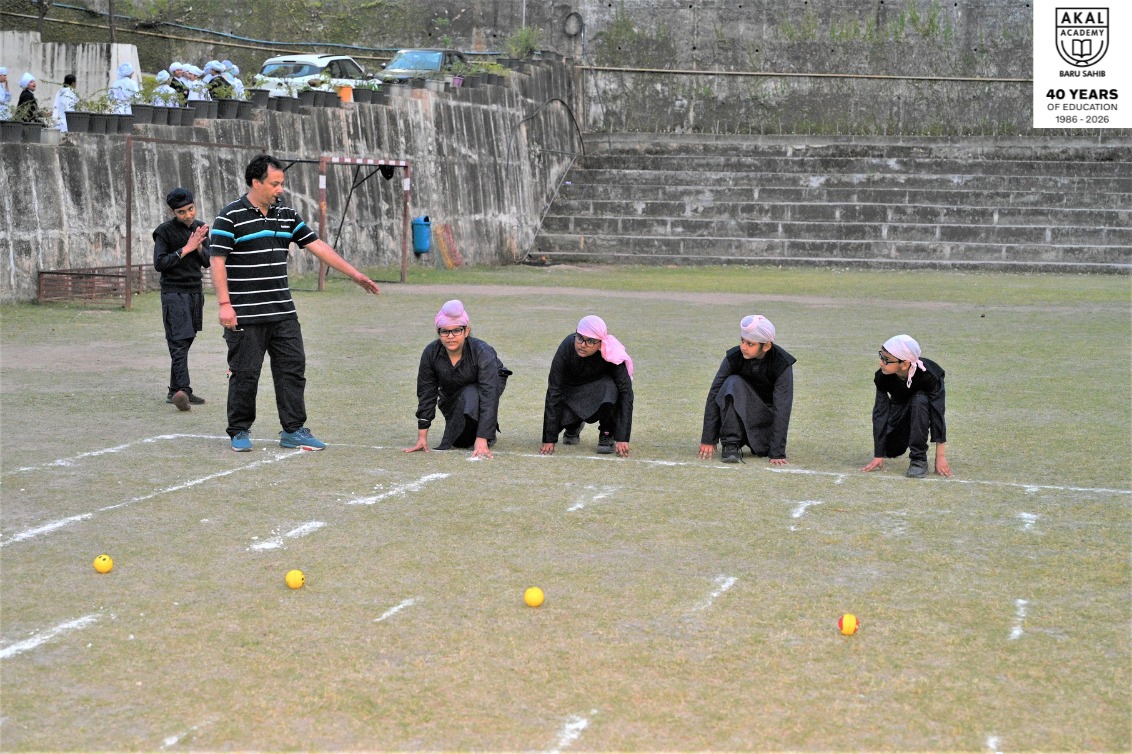
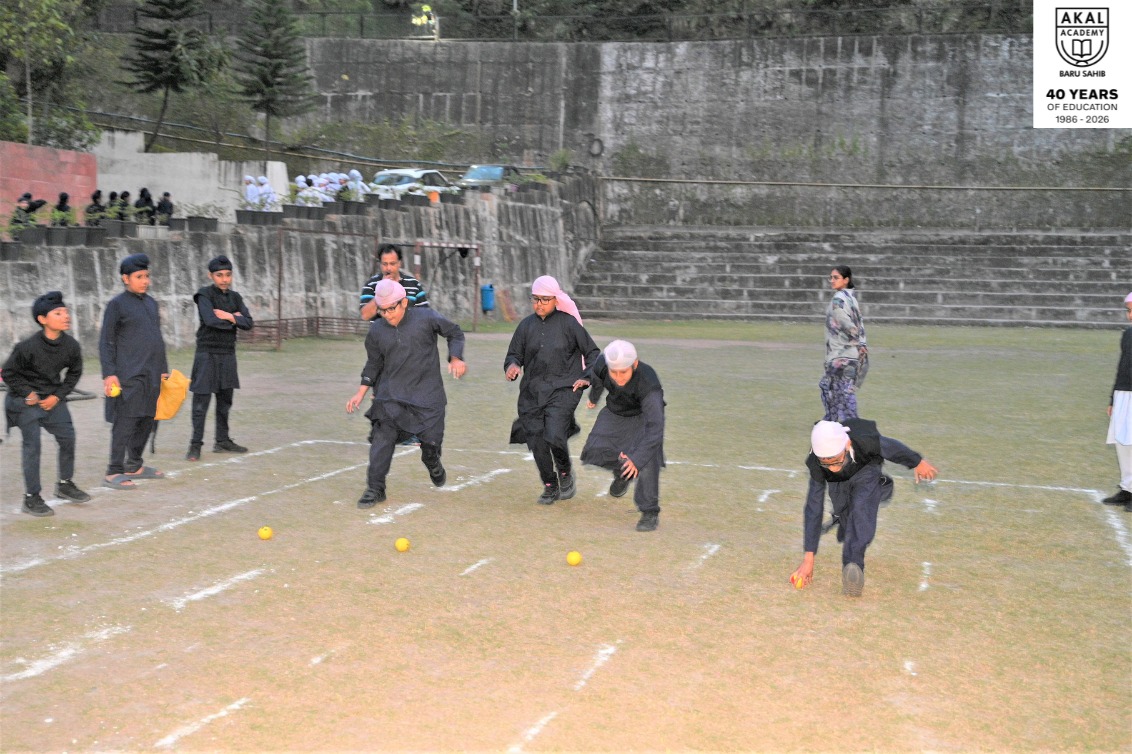
Students from Grades 1 to 5 came together for a day full of fun races and outdoor activities, creating a welcoming space especially for our new joiners. From the excitement of the 100m race to the teamwork in tug of war and the energy of shuttle runs, every moment reflected enthusiasm and participation.
The day was filled with laughter, bonding, and interactions, as students showcased teamwork, sportsmanship and a spirit of togetherness, making it a memorable beginning to the session.
Akal Academy Baru Sahib, celebrating 40 Years of Education (1986- 2026)
Fully Residential School | Coeducational | International Educational Boards
IB (Nursery–V) | Cambridge (VI–XII) | CBSE (Nursery–XII)
We invite inquiries for admission -
Register @ https://www.akalacademy.in/register
Call us – 18001807755
Website - www.akalacademybarusahib.com
WhatsApp us: 9816400510
Email Us - admissions@akalacademy.ac.in
#akalacademybarusahib #fungames #funactivities #InternationalBaccalaureate #CambridgeInternationalSchool
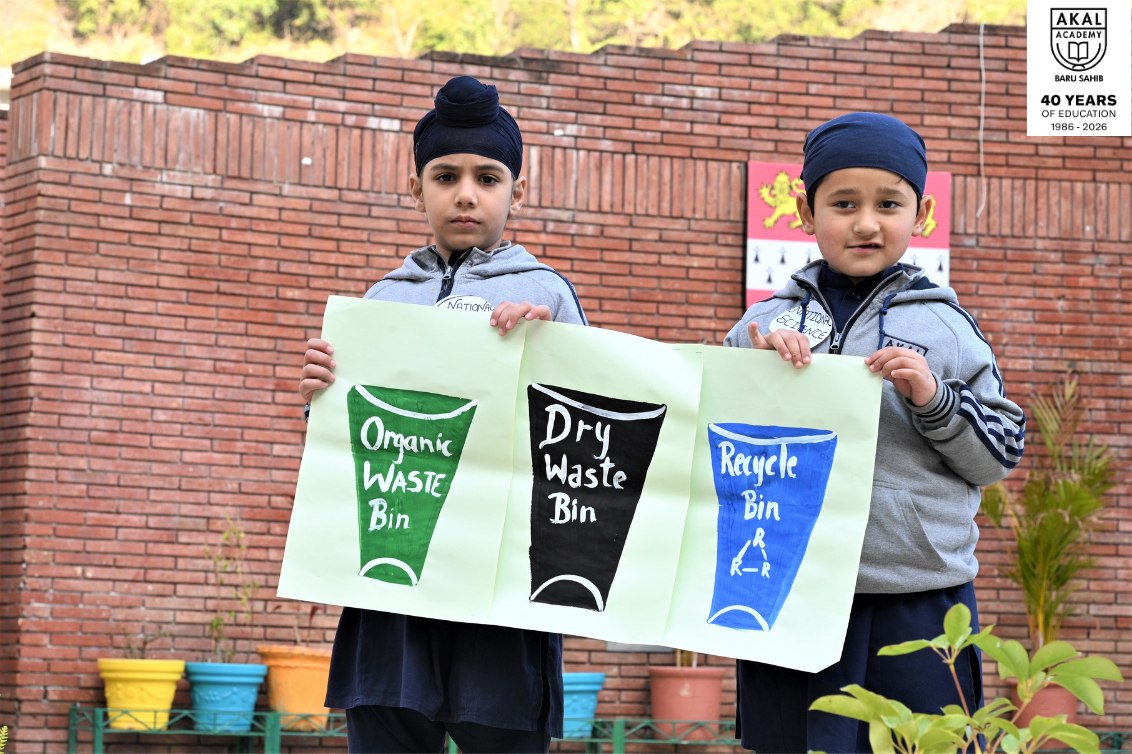
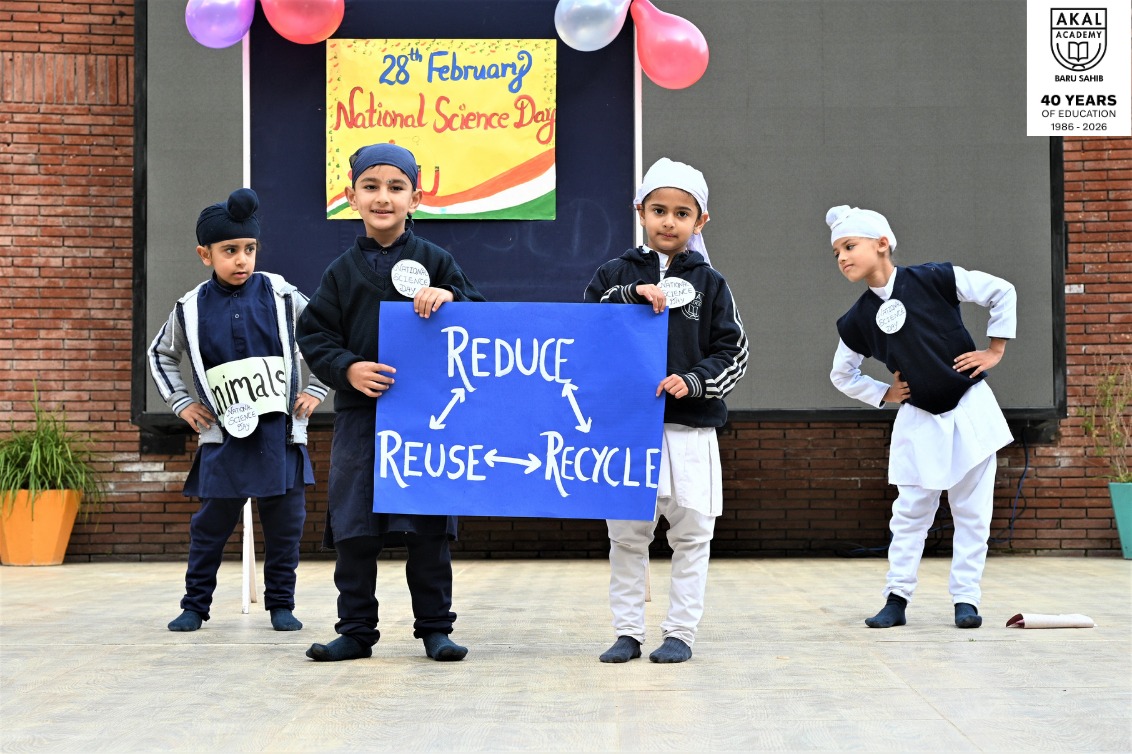
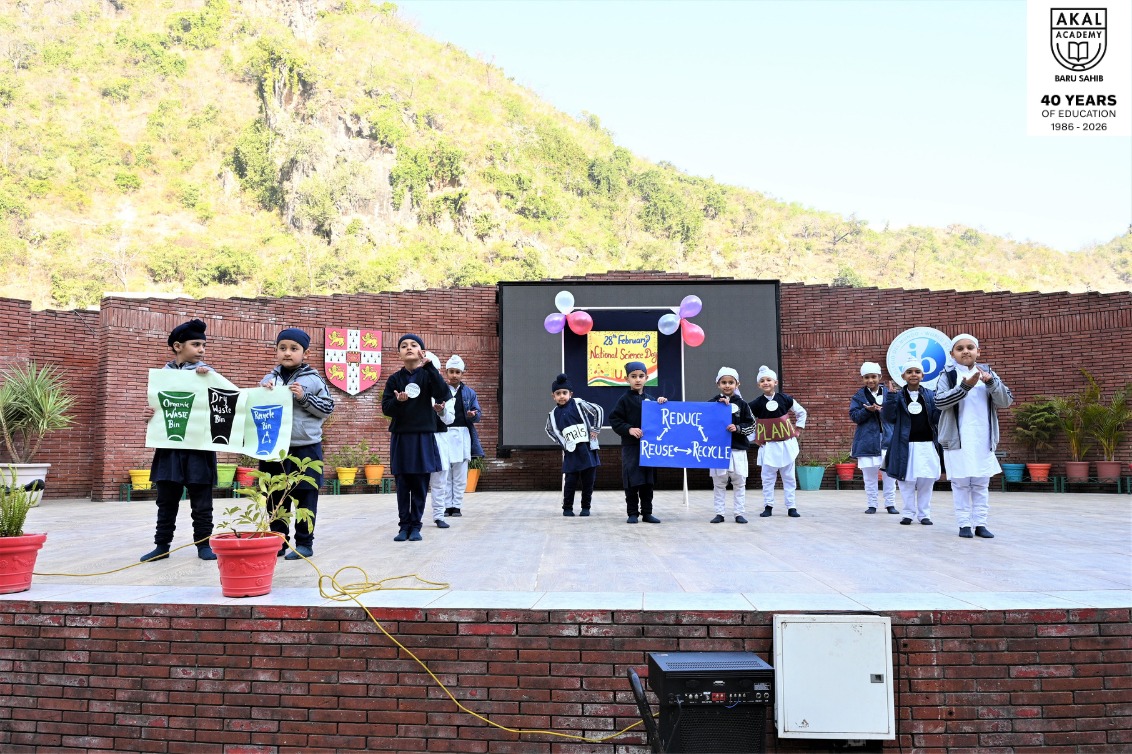
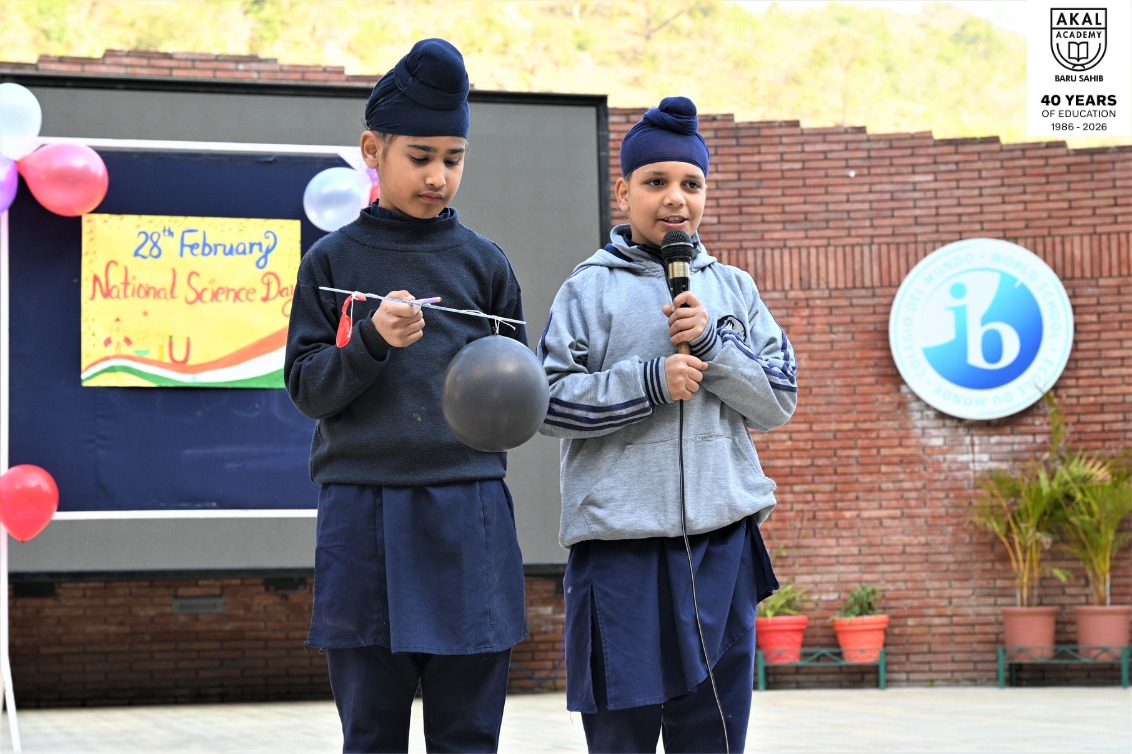
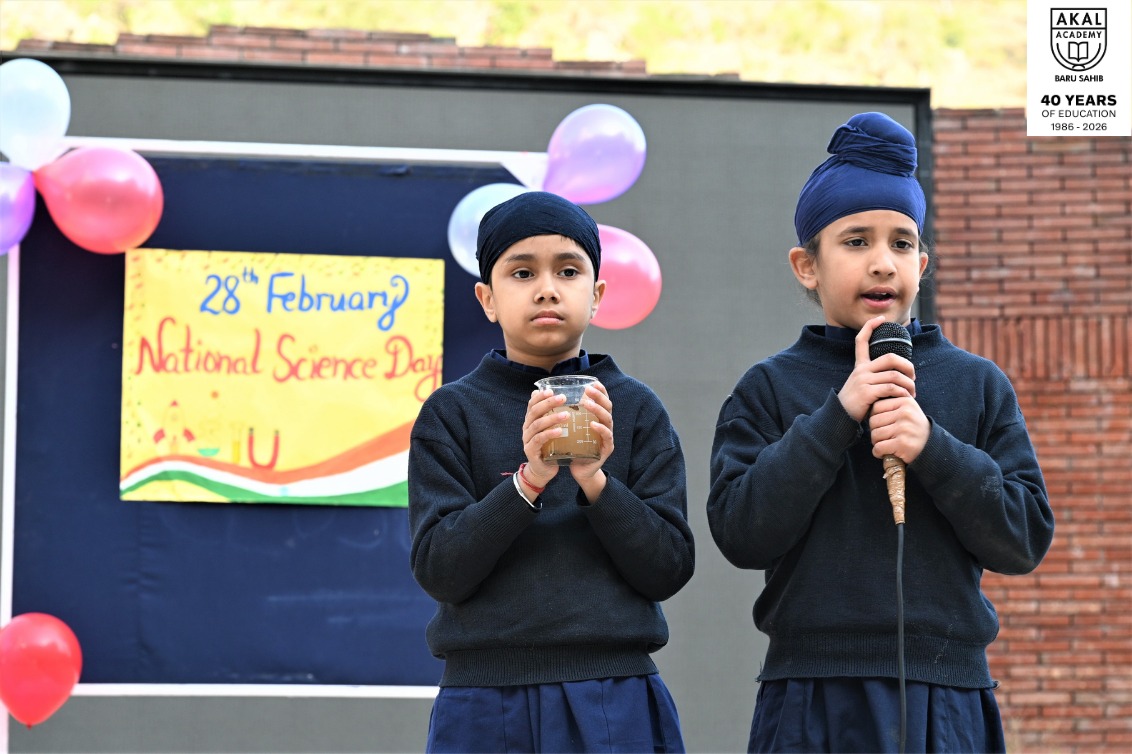
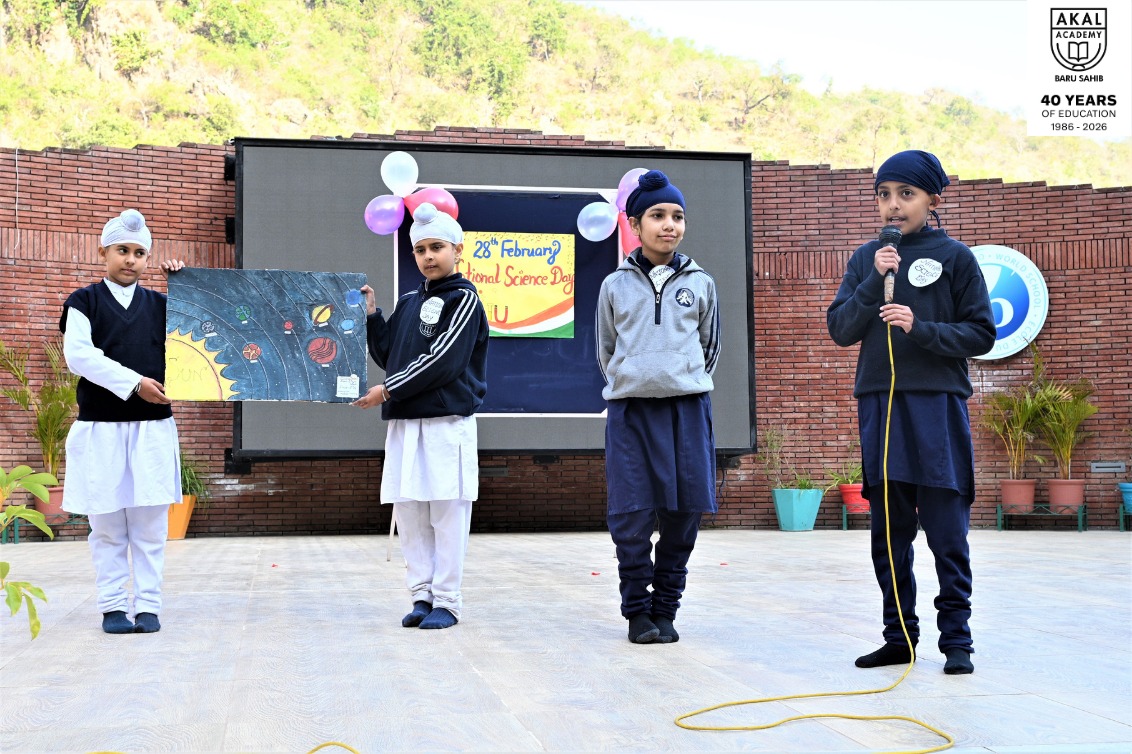
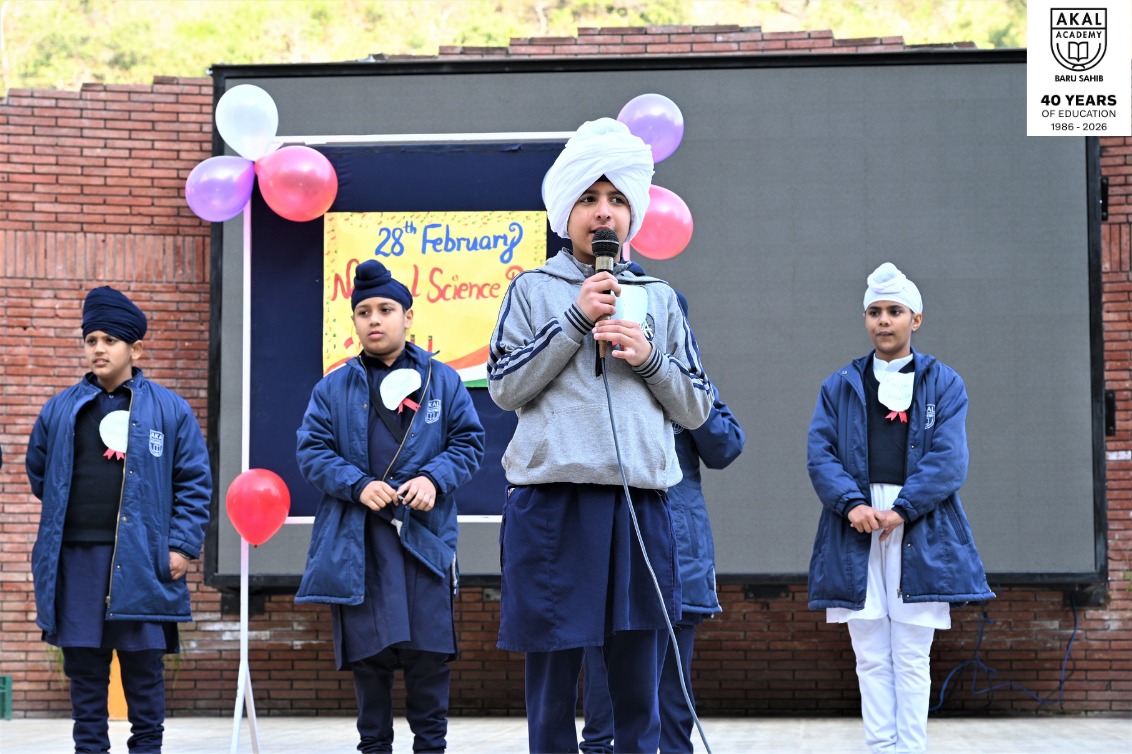
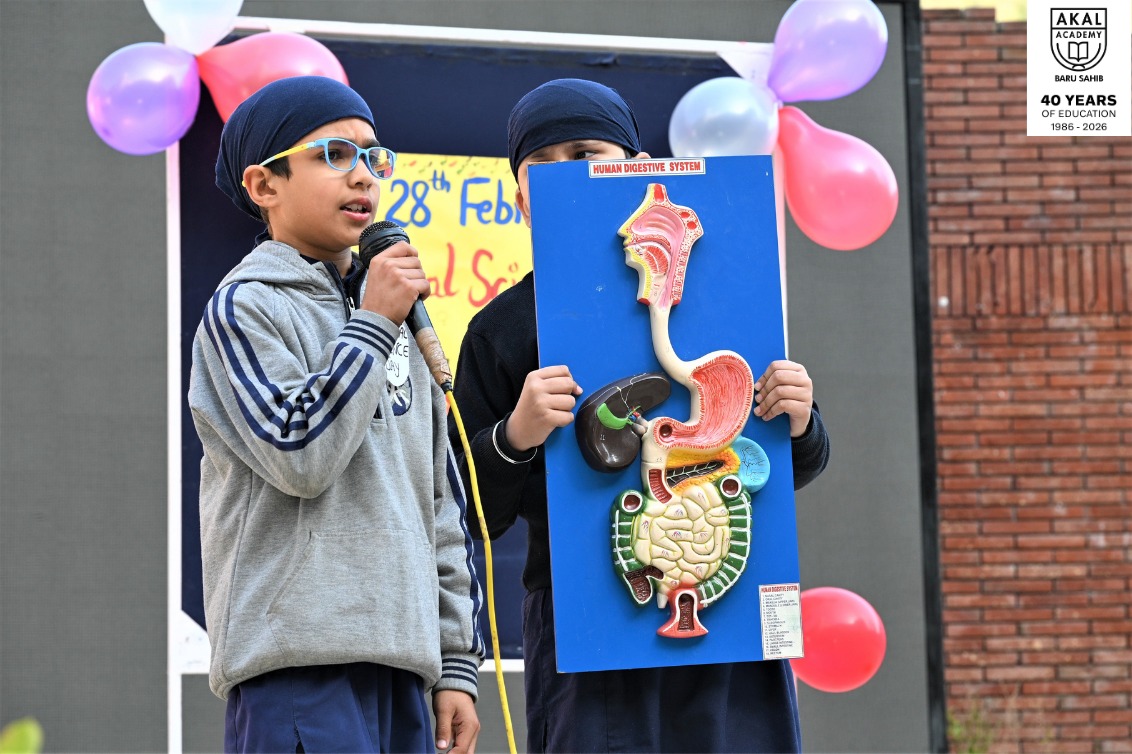
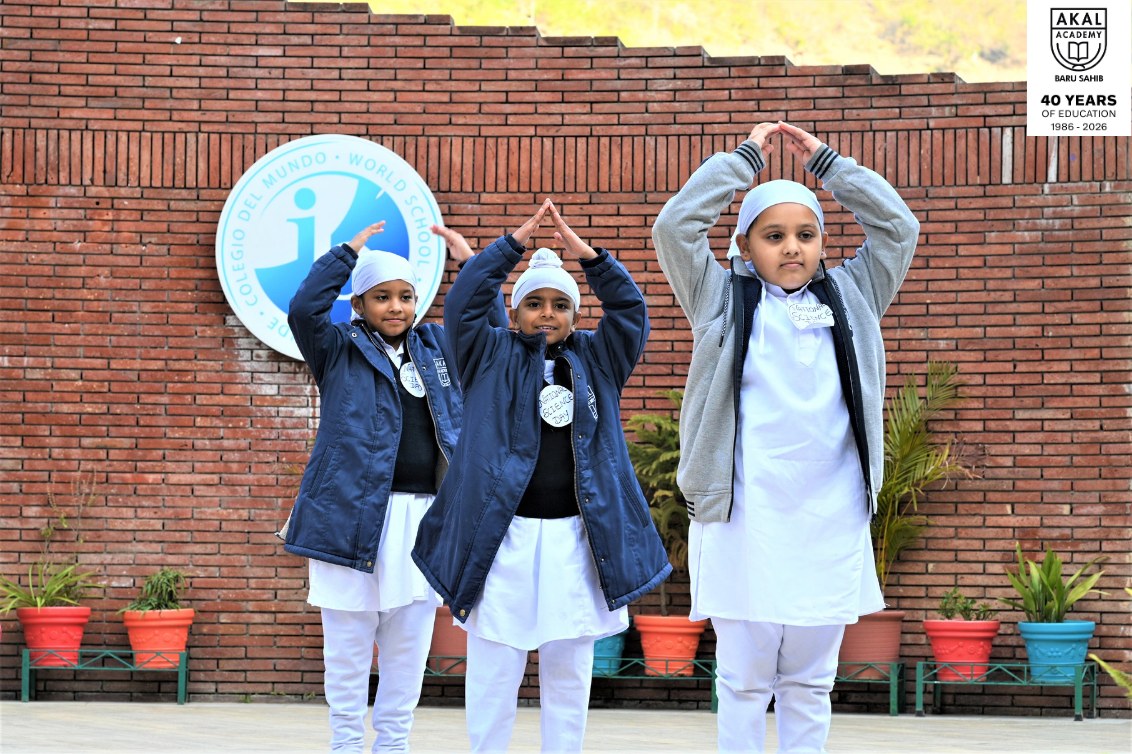
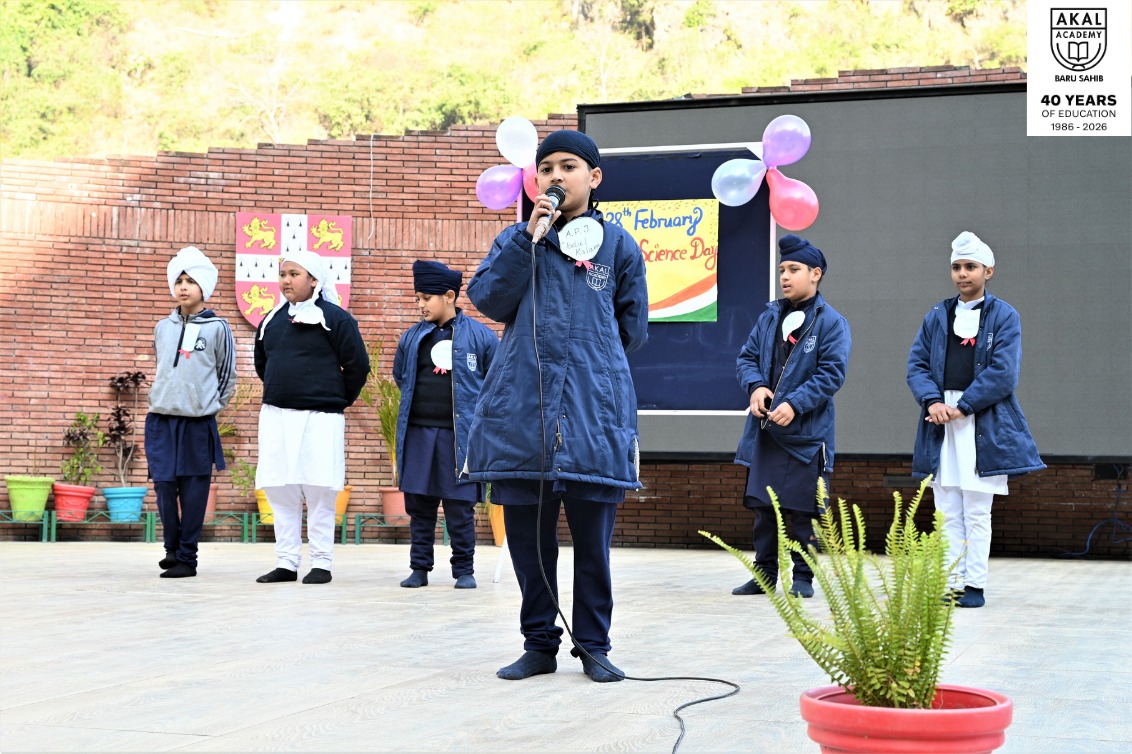
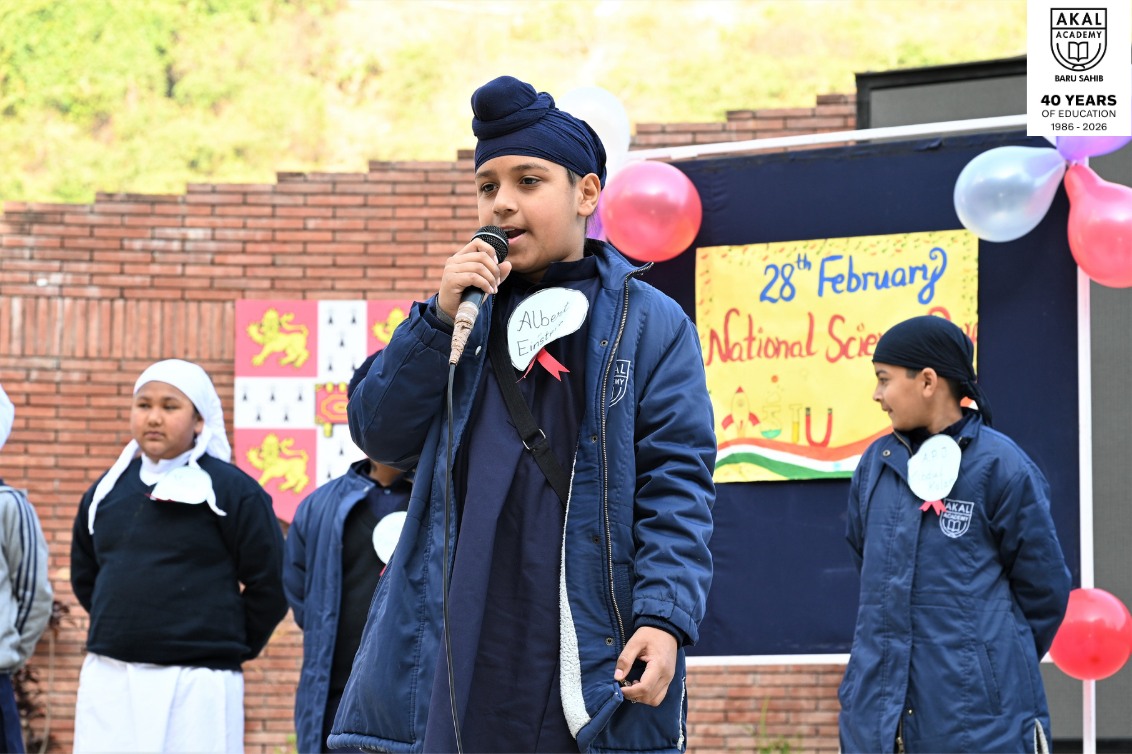
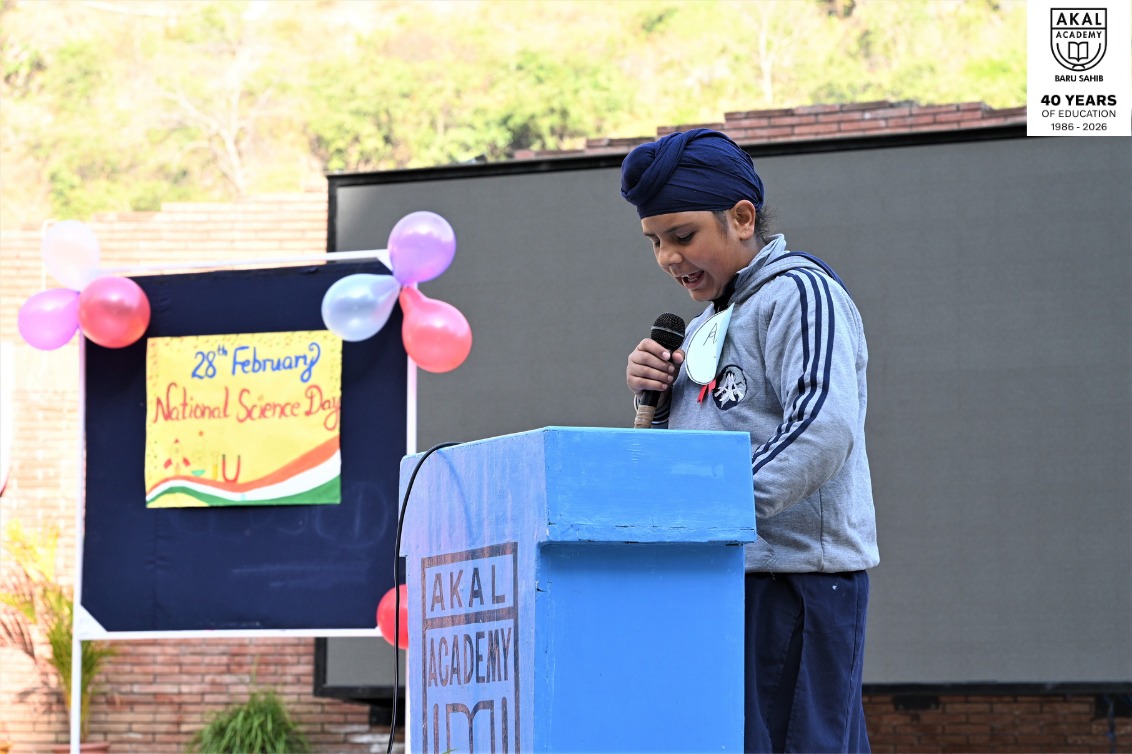
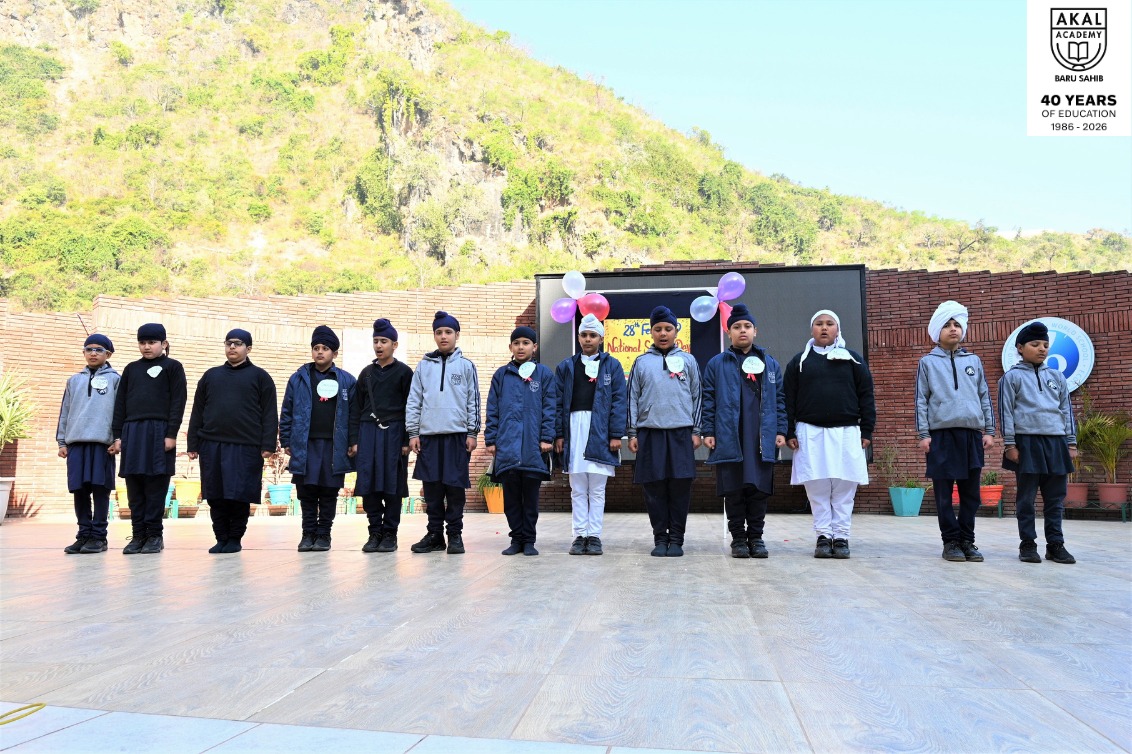
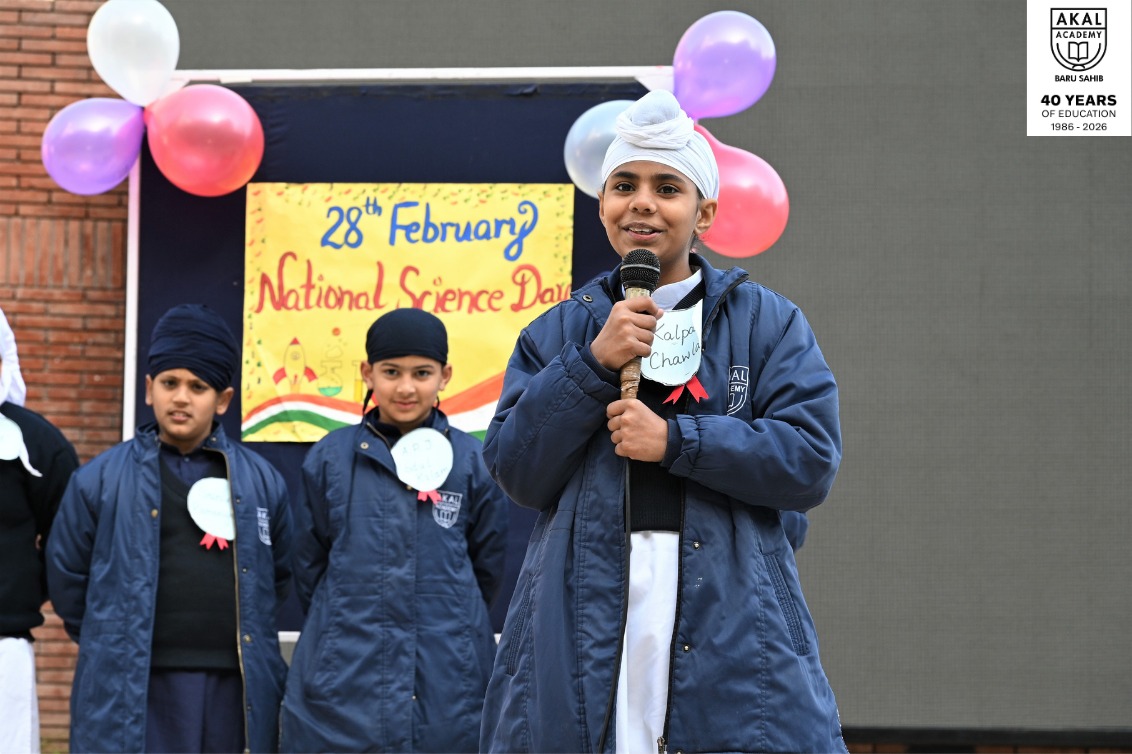
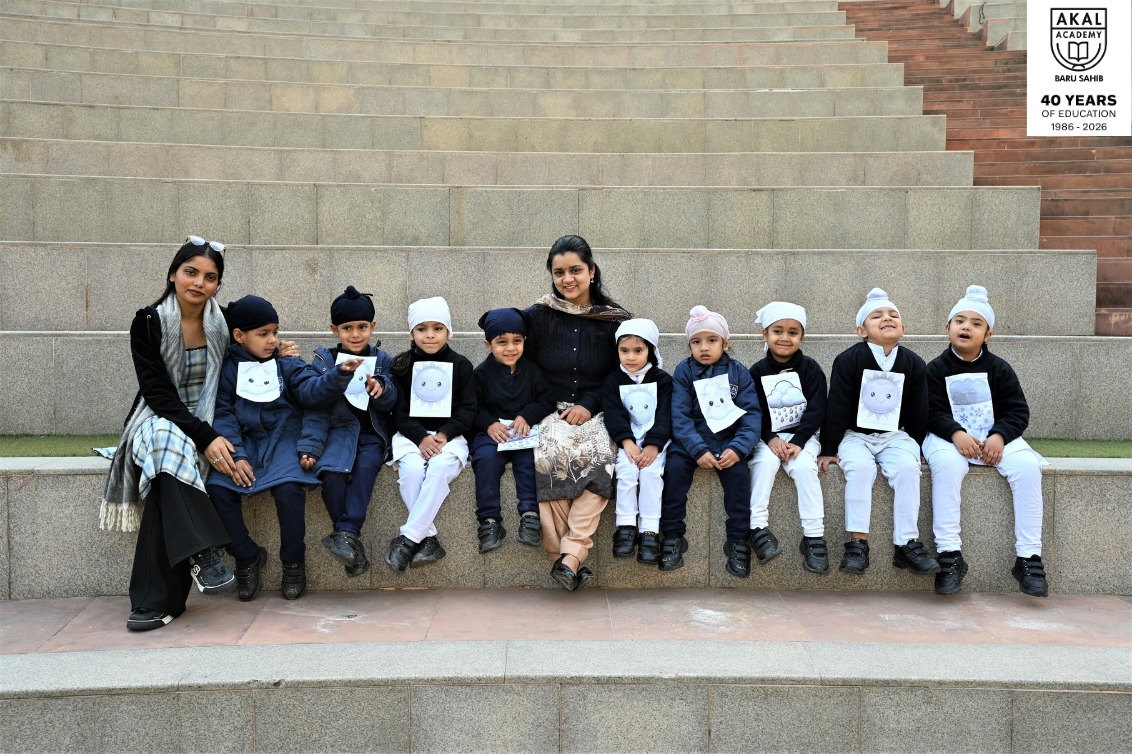
Primary year students from Nursery to Grade V explored the fascinating world of science through presentations and activities.
Learners shared performances on types of waste materials - organic, dry and recyclable, highlighting the importance of waste segregation. Students also demonstrated experiments such as "Air Has Weight and Sedimentation" along with model presentations and science facts on the digestive system and the solar system.
Akal Academy Baru Sahib is also celebrating 40 Years of Education (1986- 2026)
Fully Residential School | Coeducational | International Educational Boards
IB (Nursery–V) | Cambridge (VI–XII) | CBSE (Nursery–XII)
We invite inquiries for admission -
Register @ https://www.akalacademy.in/register
Call us – 18001807755
Website - www.akalacademybarusahib.com
WhatsApp us : 9816400510
Email Us - admissions@akalacademy.ac.in
#akalacademybarusahib #NationalScienceDay #science #AkalAcademy #stemeducation #ValueBasedEducation
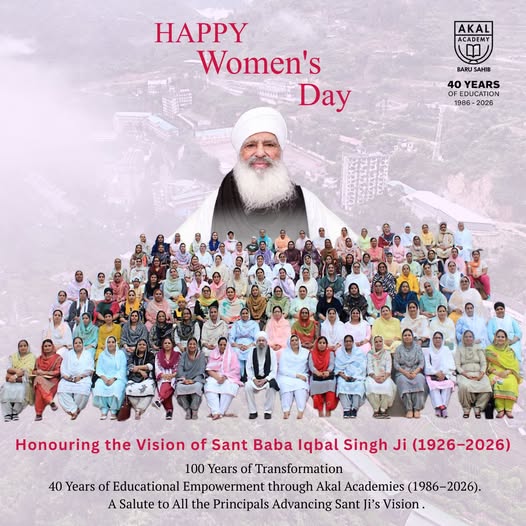
Honoring the vision and legacy of Sant Baba Iqbal Singh as we celebrate 100 years of transformation and 40 years of educational empowerment through Akal Academy Baru Sahib (1986–2026), the flagship institution of the Akal Academies network.
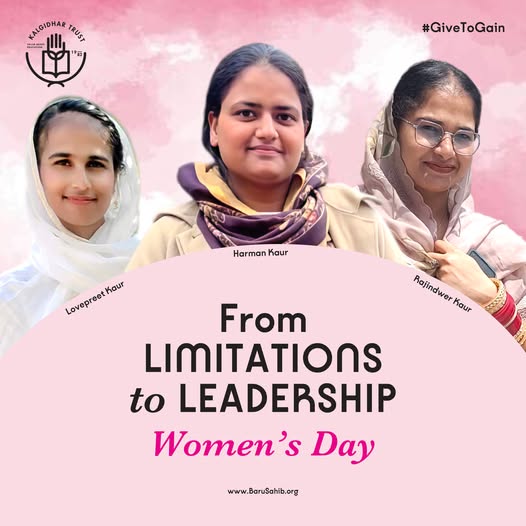
What happens when rural daughters are given access to opportunity, discipline, and education?
They don’t just build careers.
They become educators, role models, and carriers of culture.
At The Kalgidhar Trust, this transformation has been quietly unfolding for years.
Harman Kaur.
Lovepreet Kaur.
Rajwinder Kaur.
Three daughters from rural Punjab.
Fathers working in modest livelihoods.
Mothers managing households.
Homes where financial limitations often decide how far a girl can study.
They were not surrounded by privilege.
They were surrounded by boundaries.
Then education stepped in.
Through the 𝗔𝗸𝗮𝗹 𝗜𝗻𝘀𝘁𝗶𝘁𝘂𝘁𝗲 𝗼𝗳 𝗥𝘂𝗿𝗮𝗹 𝗪𝗼𝗺𝗲𝗻 𝗘𝗺𝗽𝗼𝘄𝗲𝗿𝗺𝗲𝗻𝘁 (𝗔𝗜𝗥𝗪𝗘) and Eternal University, Baru Sahib Sirmour, they found discipline, mentorship, and an opportunity to pursue higher education in classical music.
Today:
🎼 Harman Kaur, once at risk of discontinuing her education due to family challenges, completed BA and MA in Music (Sitar) and now teaches as a Music Teacher at IB Akal Academy Baru Sahib.
🎻 Lovepreet Kaur, raised in a traditional rural household where girls’ aspirations are often limited, completed BA and MA in Music (Violin) and today teaches at Akal Academy Baru Sahib , inspiring girls in her village to pursue education.
🎼 Rajwinder Kaur, who came to Baru Sahib during a difficult phase of life seeking peace and direction, completed BA and MA in Music (Sitar) and now teaches at 𝗔𝗸𝗮𝗹 𝗖𝗼𝗹𝗹𝗲𝗴𝗲 𝗼𝗳 𝗗𝗶𝘃𝗶𝗻𝗲 𝗠𝘂𝘀𝗶𝗰, Eternal University turning her journey of healing into inspiration for others.
From uncertainty → to purpose.
From limitations → to leadership.
From students → to educators.
𝐓𝐡𝐞𝐬𝐞 𝐣𝐨𝐮𝐫𝐧𝐞𝐲𝐬 𝐚𝐥𝐬𝐨 𝐫𝐞𝐟𝐥𝐞𝐜𝐭 𝐭𝐡𝐞 𝐯𝐢𝐬𝐢𝐨𝐧 𝐨𝐟 𝐒𝐚𝐧𝐭 𝐁𝐚𝐛𝐚 𝐈𝐪𝐛𝐚𝐥 𝐒𝐢𝐧𝐠𝐡 𝐉𝐢, 𝐰𝐡𝐨 𝐫𝐞𝐯𝐢𝐯𝐞𝐝 𝐜𝐥𝐚𝐬𝐬𝐢𝐜𝐚𝐥 𝐬𝐭𝐫𝐢𝐧𝐠 𝐢𝐧𝐬𝐭𝐫𝐮𝐦𝐞𝐧𝐭𝐬 𝐥𝐢𝐤𝐞 𝐒𝐢𝐭𝐚𝐫 𝐚𝐧𝐝 𝐕𝐢𝐨𝐥𝐢𝐧 𝐚𝐭 𝐁𝐚𝐫𝐮 𝐒𝐚𝐡𝐢𝐛, 𝐞𝐦𝐩𝐨𝐰𝐞𝐫𝐢𝐧𝐠 𝐟𝐢𝐫𝐬𝐭-𝐠𝐞𝐧𝐞𝐫𝐚𝐭𝐢𝐨𝐧 𝐫𝐮𝐫𝐚𝐥 𝐠𝐢𝐫𝐥𝐬 𝐭𝐨 𝐥𝐞𝐚𝐫𝐧, 𝐦𝐚𝐬𝐭𝐞𝐫, 𝐚𝐧𝐝 𝐜𝐚𝐫𝐫𝐲 𝐟𝐨𝐫𝐰𝐚𝐫𝐝 𝐭𝐡𝐞𝐬𝐞 𝐦𝐮𝐬𝐢𝐜𝐚𝐥 𝐭𝐫𝐚𝐝𝐢𝐭𝐢𝐨𝐧𝐬 𝐚𝐬 𝐞𝐝𝐮𝐜𝐚𝐭𝐨𝐫𝐬.
This is Give to Gain in action.
When you empower a daughter through education,
she preserves culture, builds confidence, and uplifts communities.
This Women’s Day, we celebrate not just their success —
but the cycle of transformation they now carry forward.
Women’s Day Series | Story 2
www.barusahib.org
#WomensDay2026 #GiveToGain #WomenEmpowerment #KalgidharTrust #AIRWE #EternalUniversity #RuralTransformation
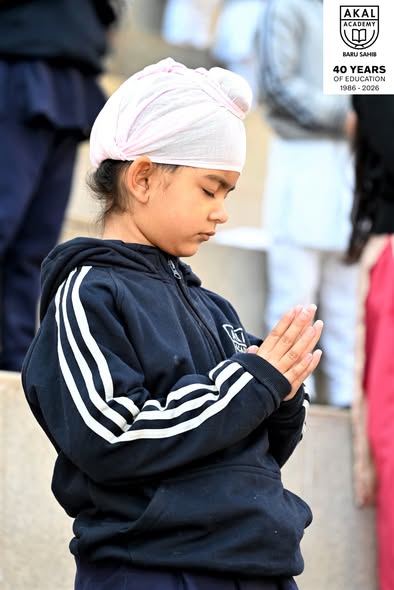
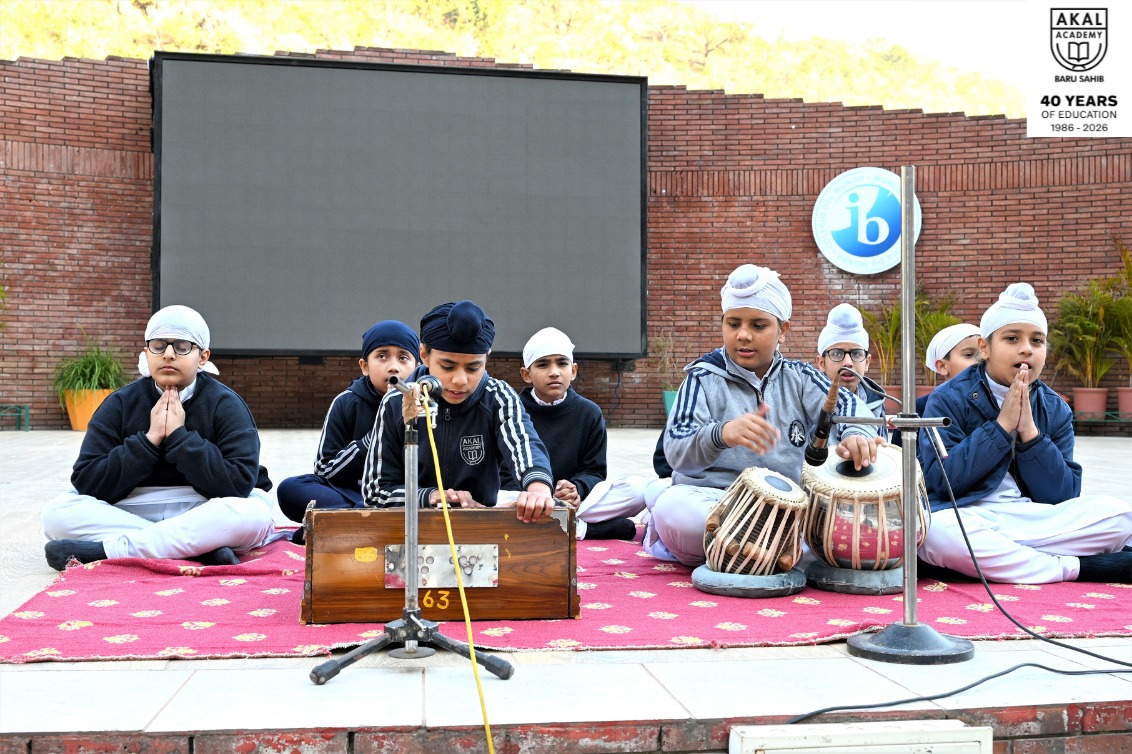
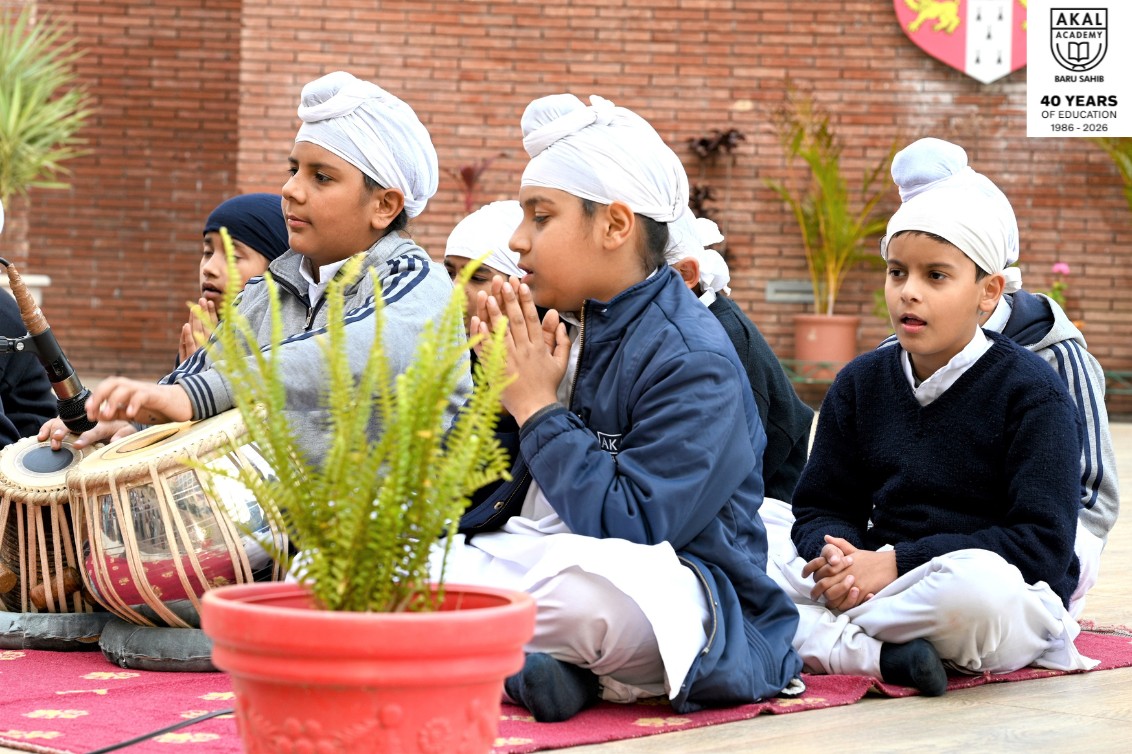
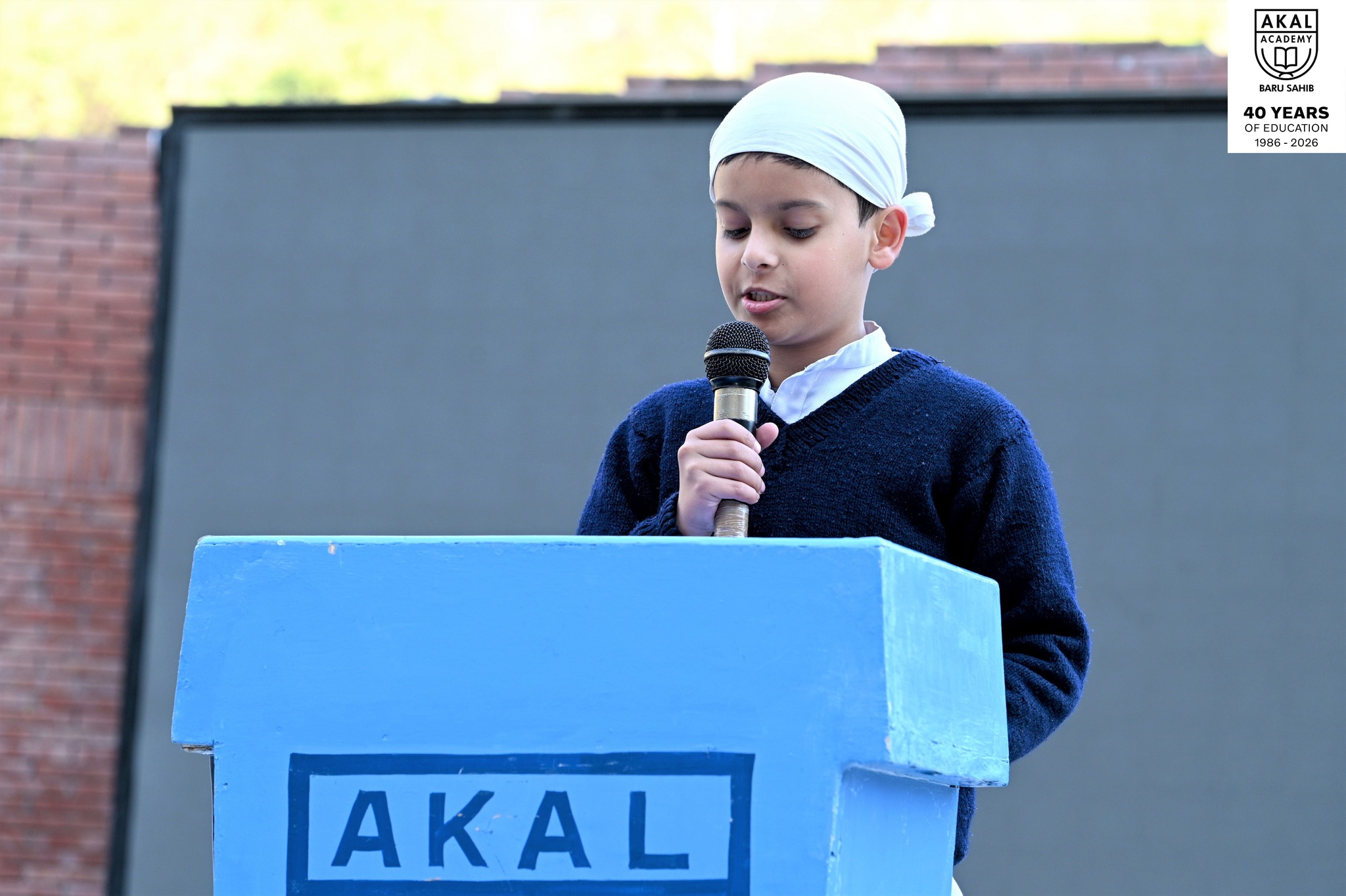
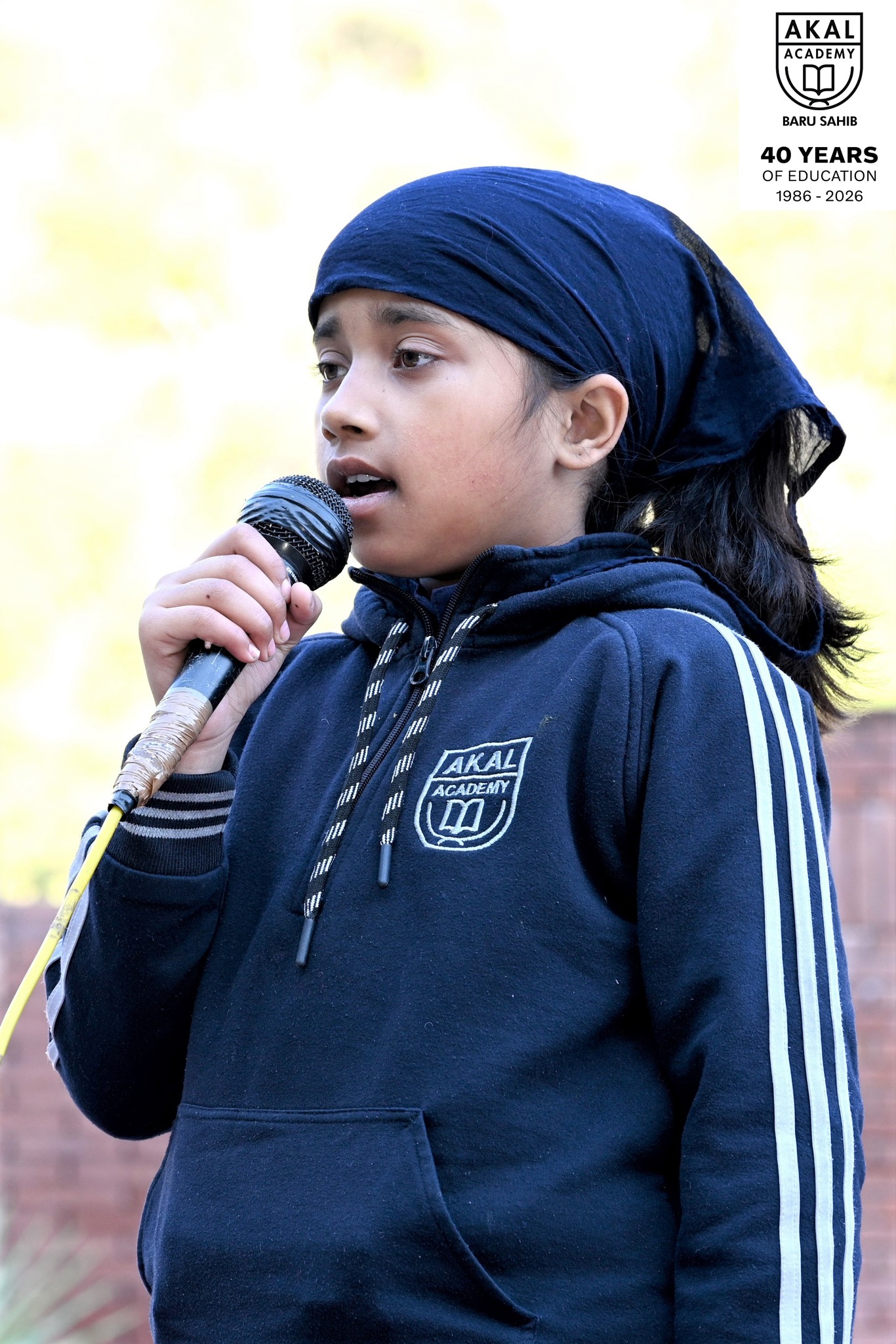
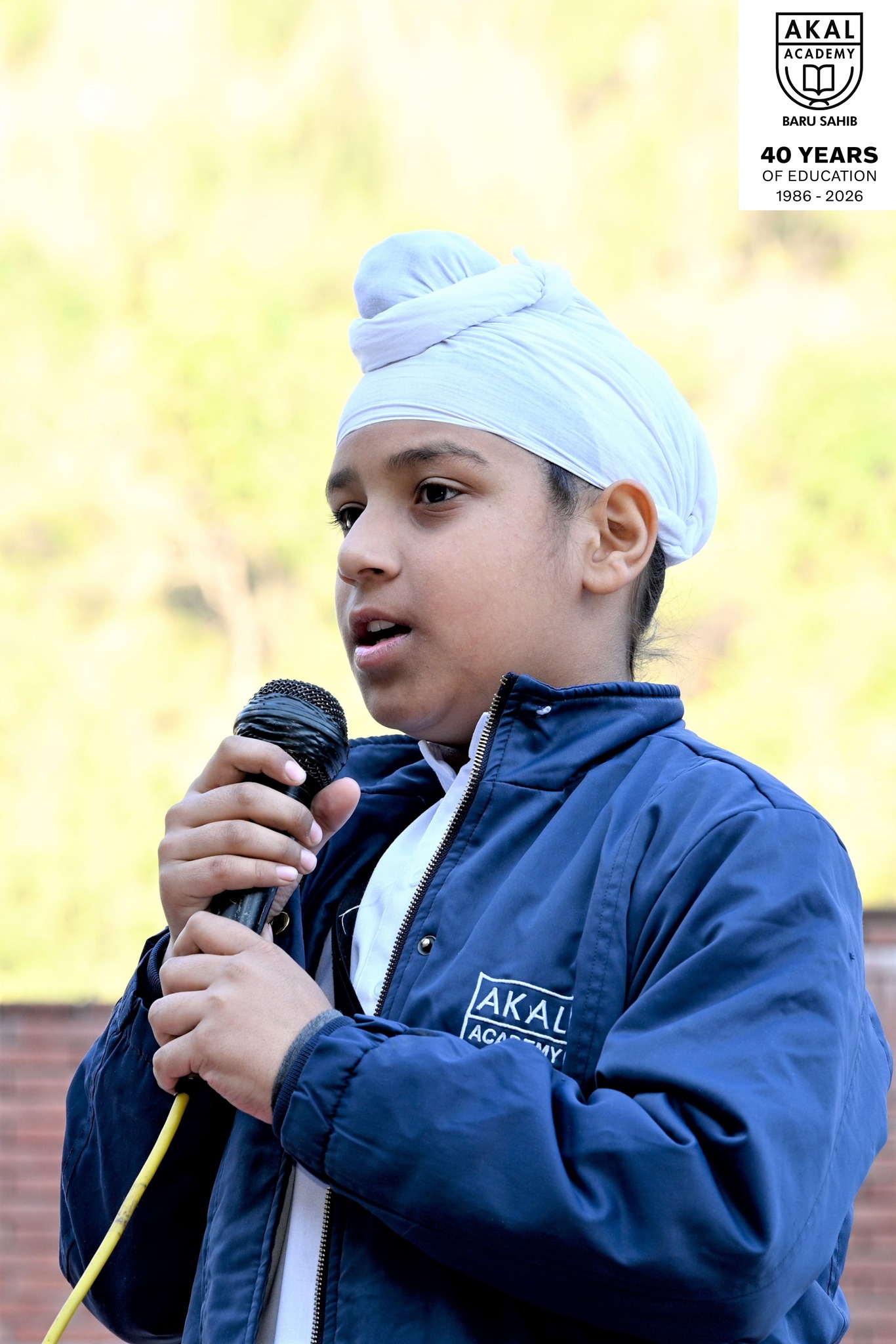
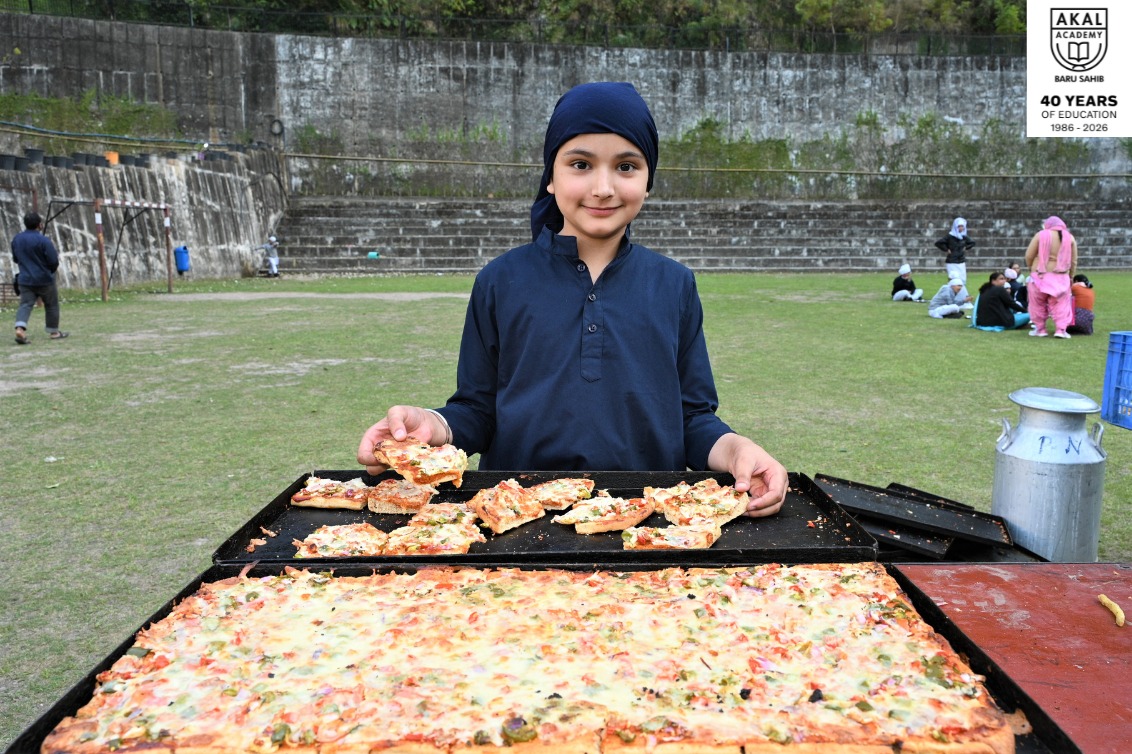
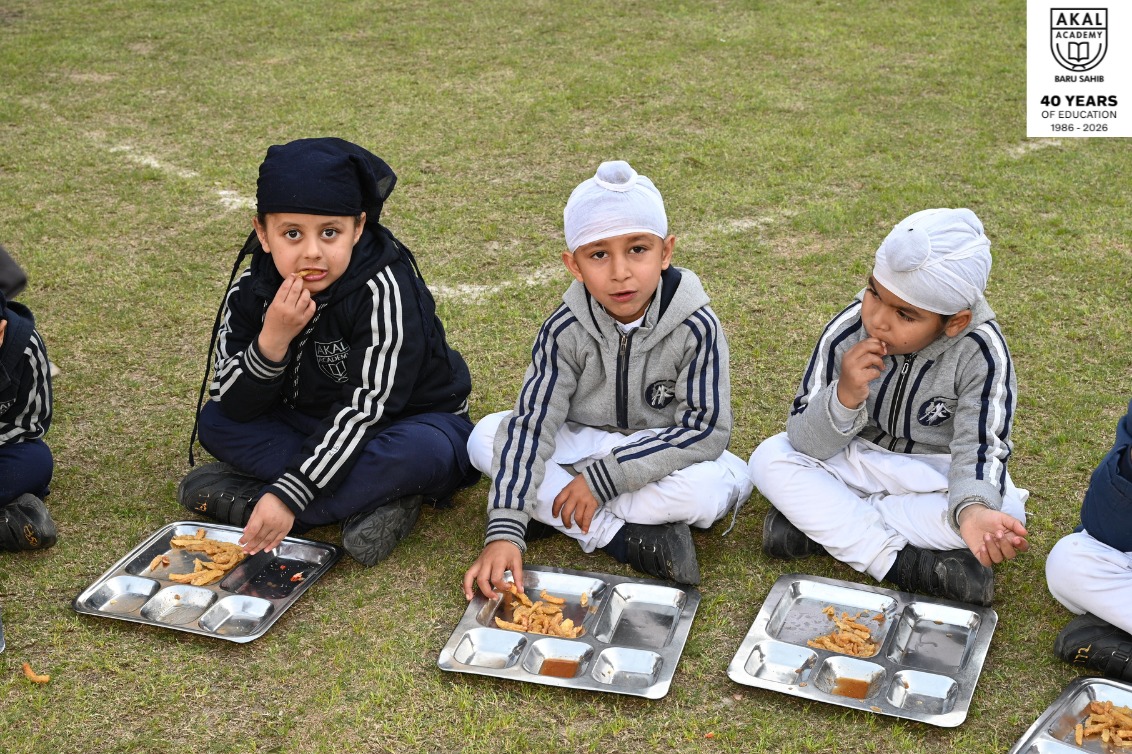
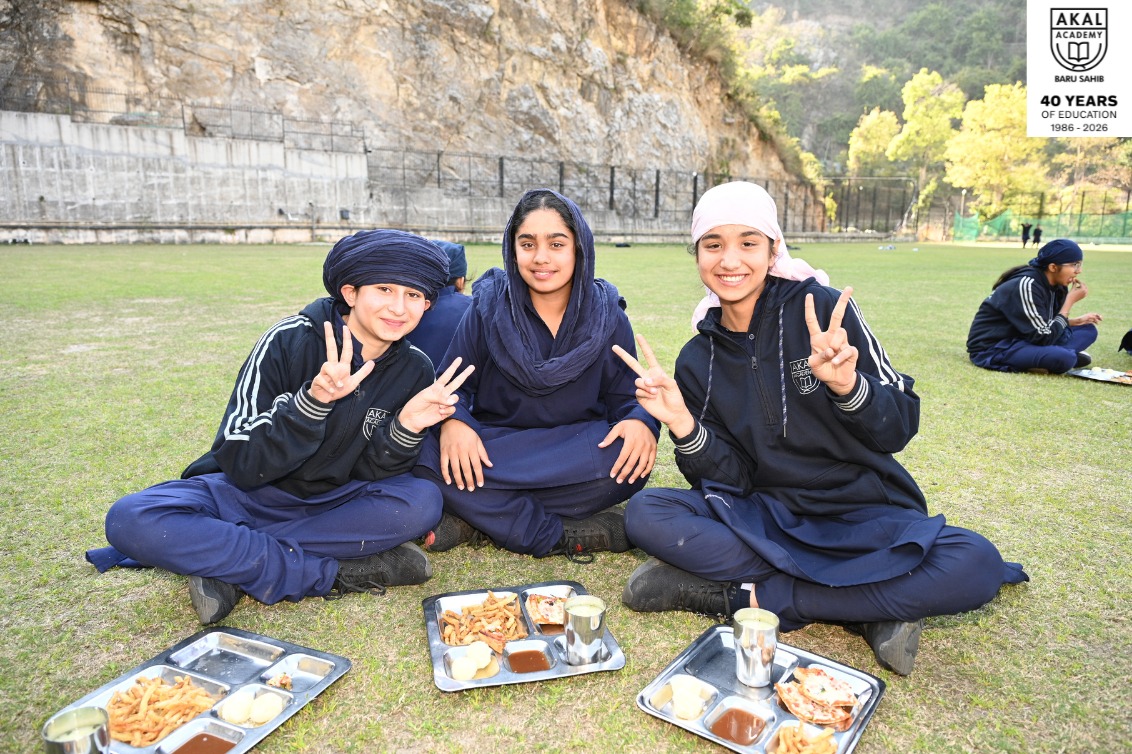
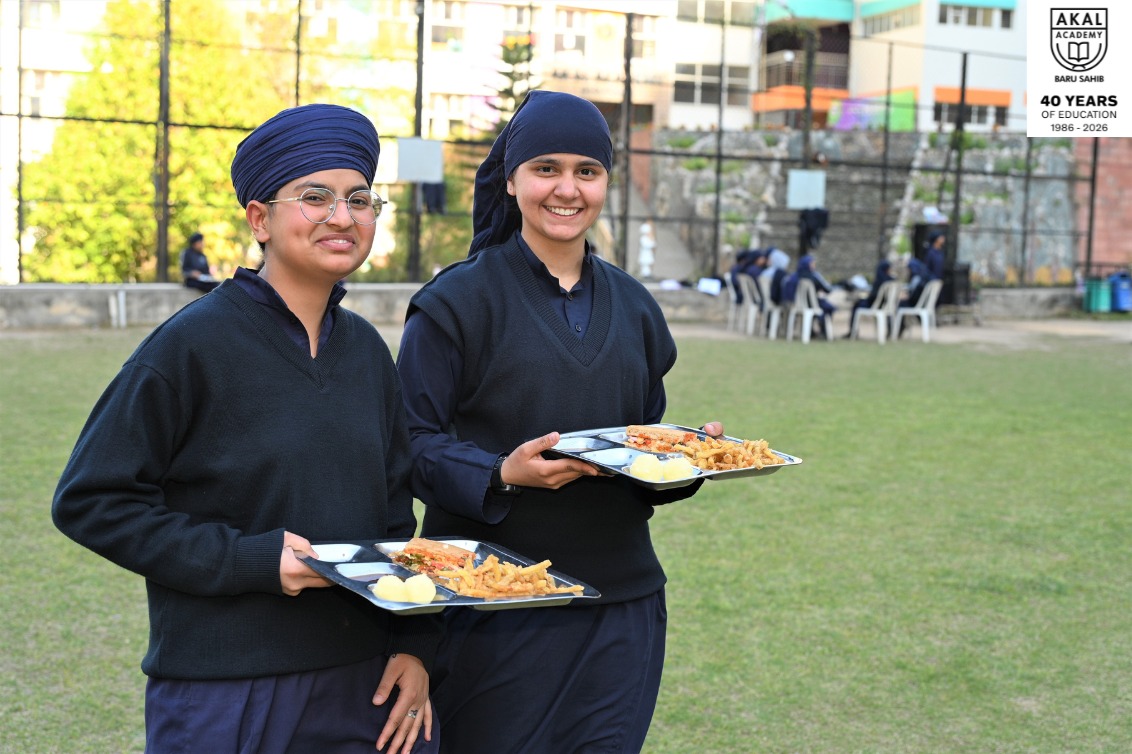
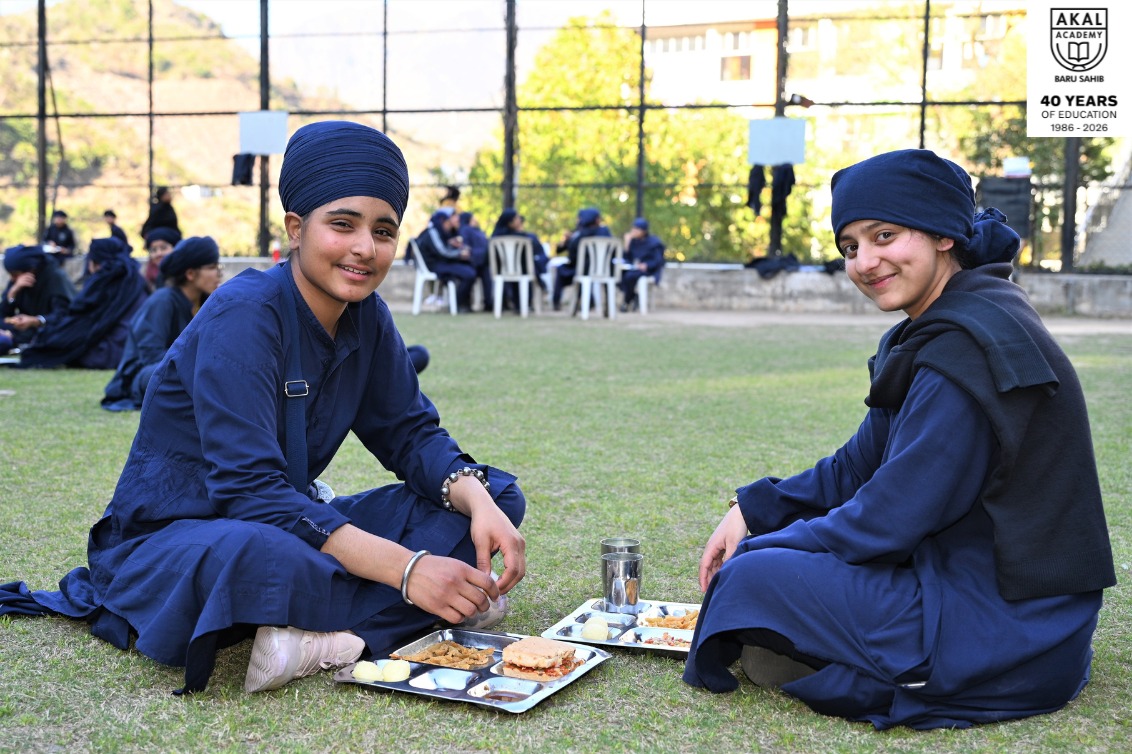
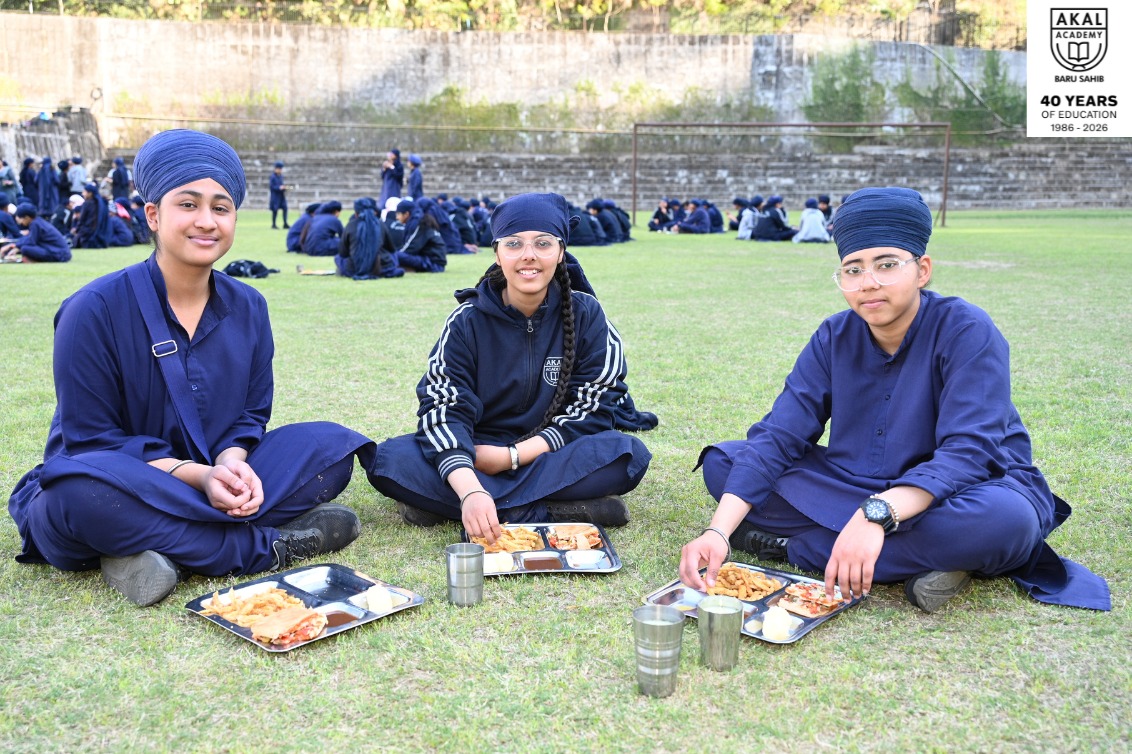
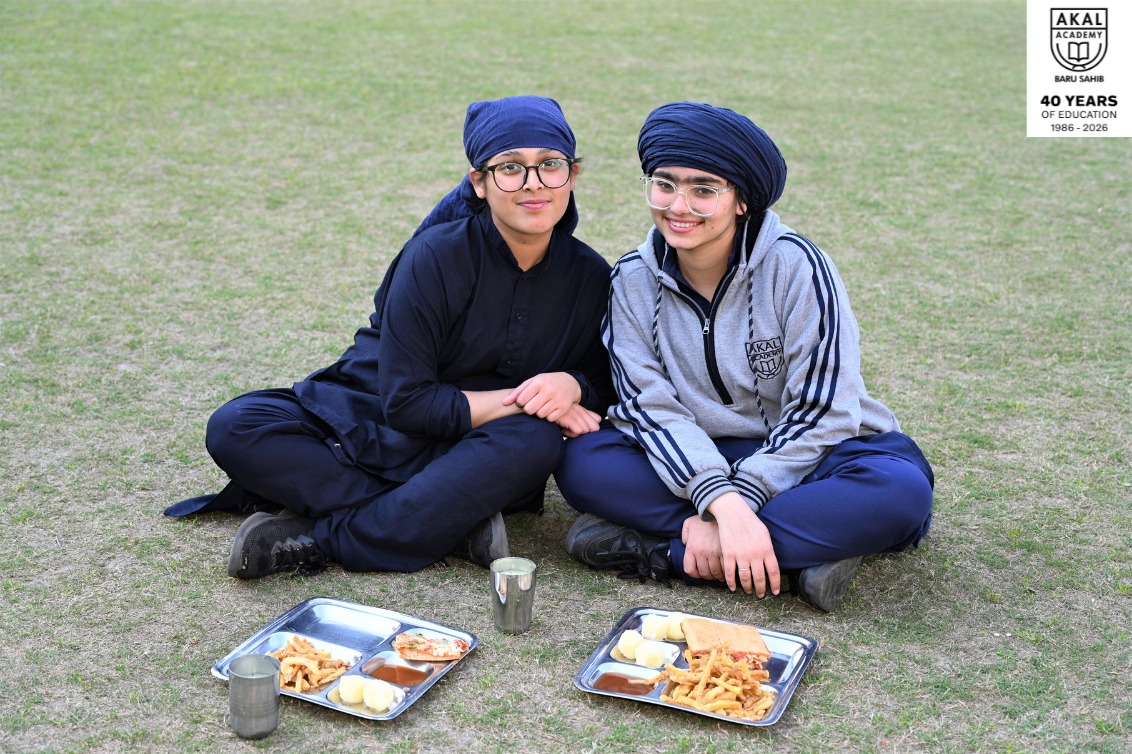
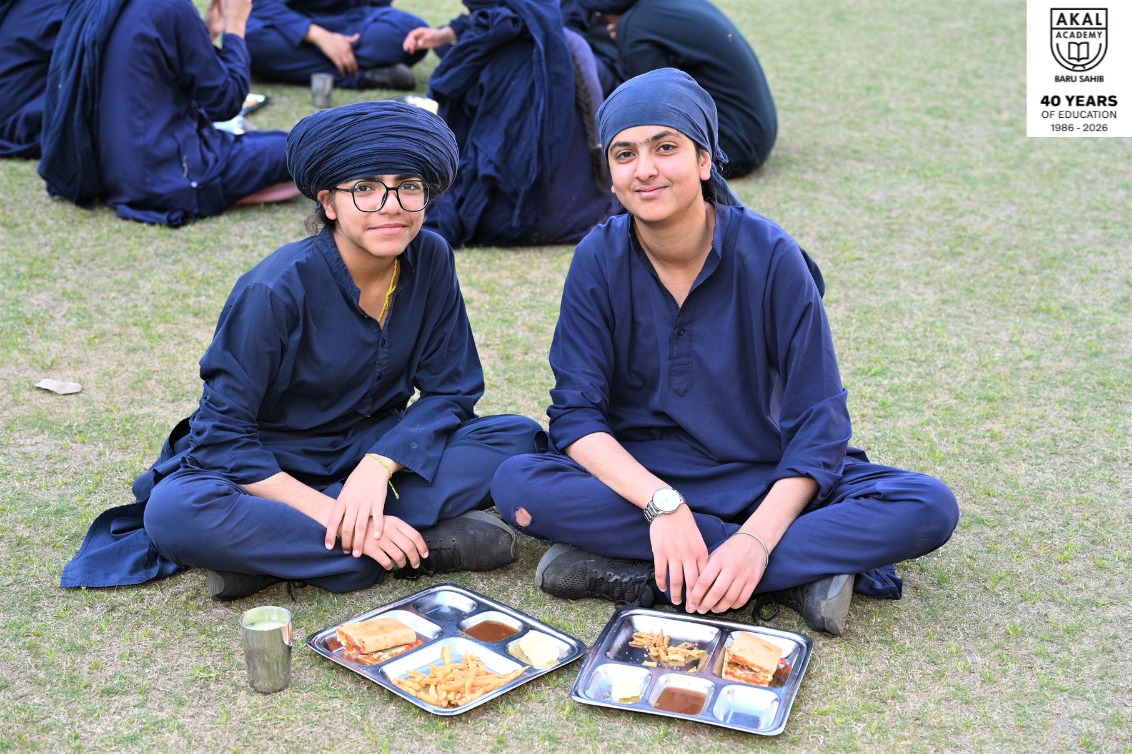
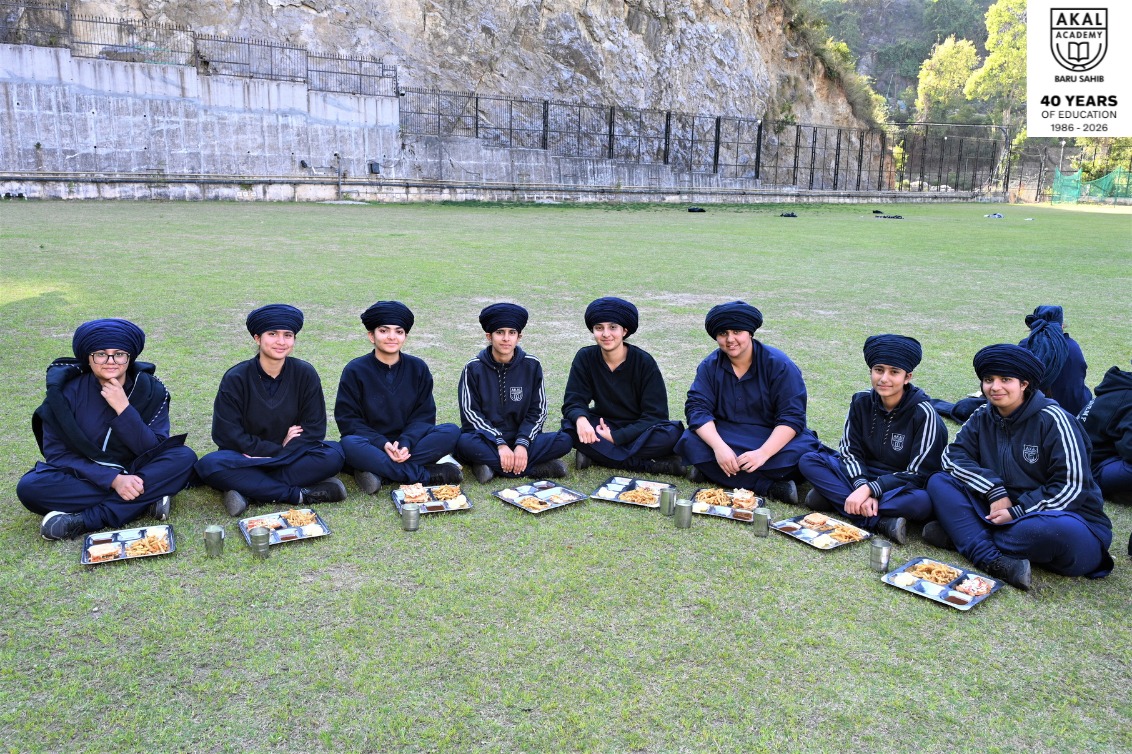
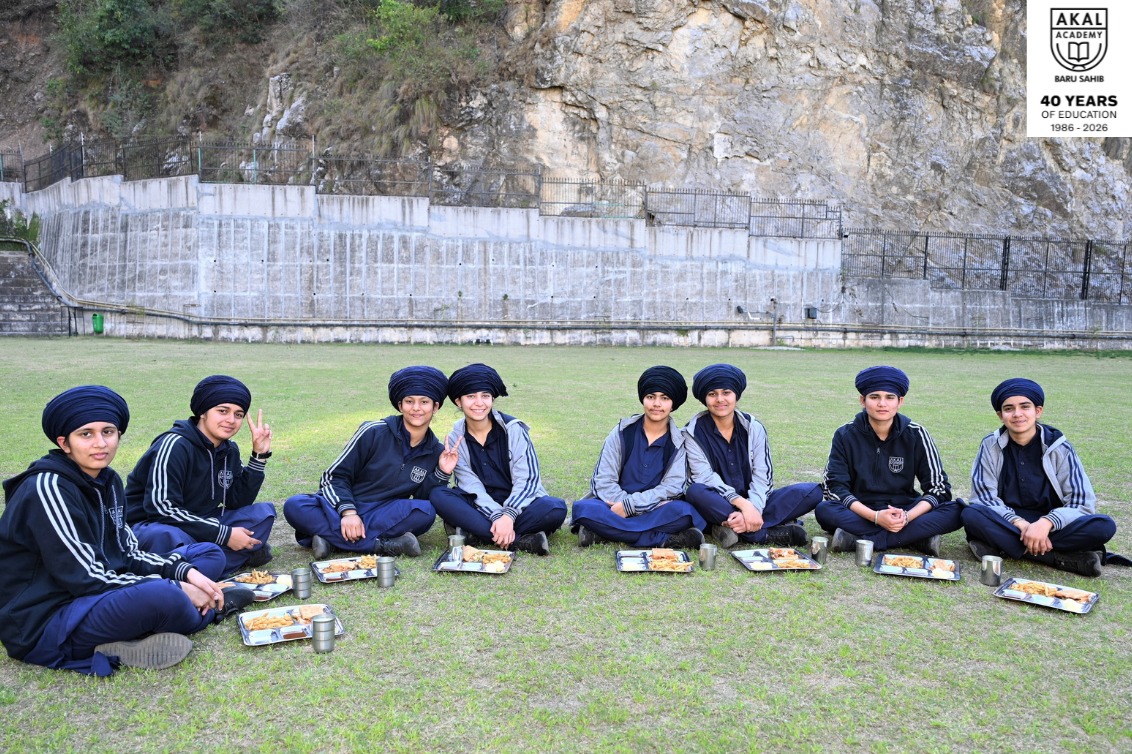
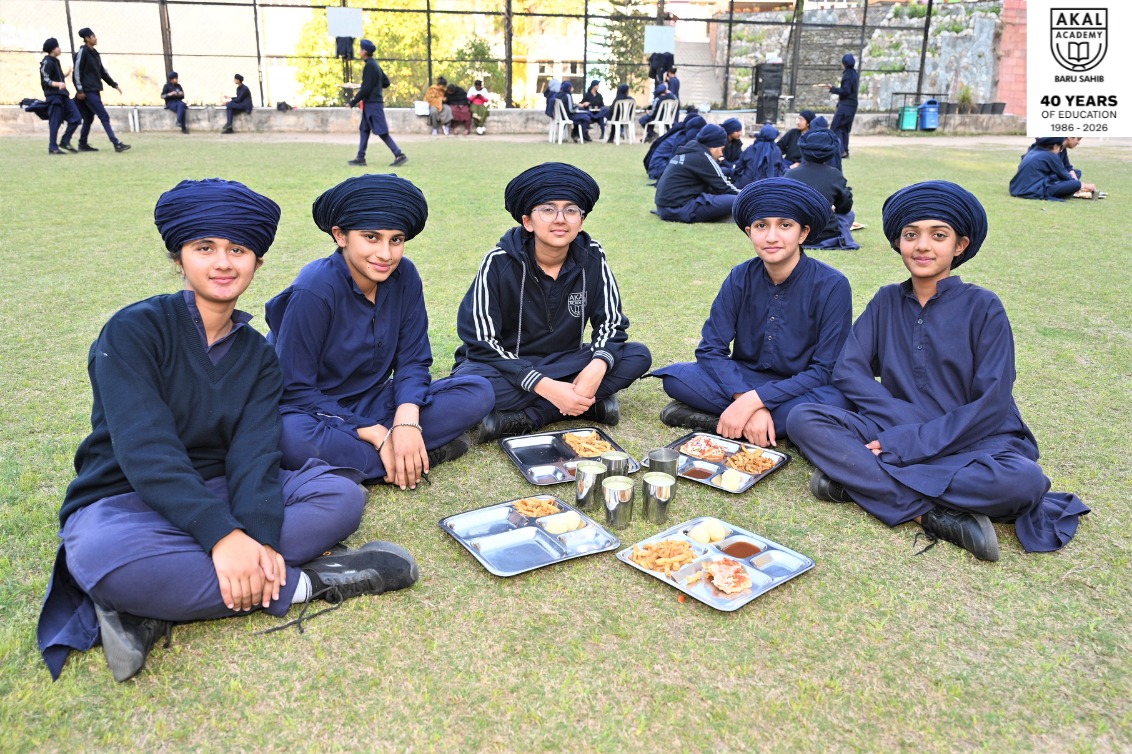
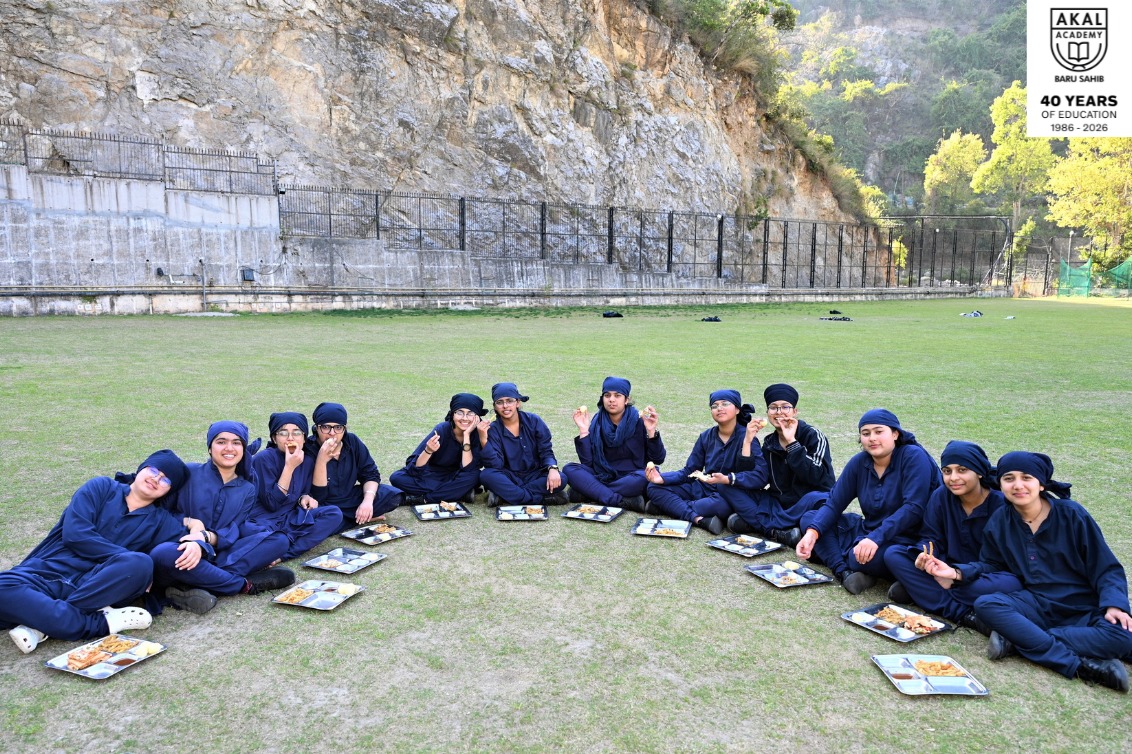
This year, students chose to celebrate Hola Mohalla uniquely. Instead of playing with colours, the day began with a special assembly expressing gratitude to the Almighty.
Students of IB PYP (Grades 1–5) initiated the assembly with Shabad Kirtan, followed by inspiring thoughts and pearls of wisdom based on the teachings of Guru Gobind Singh, along with poems and speeches explaining the historical origin and significance of the festival.
Following the special assembly, students from all grades gathered to partake in a special meal arranged for the occasion. Many students volunteered to serve meals to their fellow students, reflecting the values of humility, seva and care for others.
#HolaMohalla #holi #akalacademybarusahib #ValueBasedEducation #AkalAcademy #BabaIqbalSinghji